This post contains affiliate links. If you buy through our links, we may earn a small commission at no extra cost to you.
So you’ve caught the Latin dance bug and now you’re standing at a crossroads – salsa or bachata? I get this question constantly at the San Diego dance scene, and honestly, it’s like asking someone to pick their favorite child. Both dances will steal your heart, but they do it in completely different ways.
Let me break down what makes each dance unique and help you figure out which one might be calling your name first.
The Musical Foundation
Salsa pulses with energy – it’s built on complex Afro-Cuban rhythms that make your shoulders want to move before your feet even know what’s happening. The music typically runs at 160-220 beats per minute, with prominent brass sections, congas, and timbales creating layers of percussion that can honestly feel overwhelming when you’re starting out.
Bachata takes a completely different approach. Born in the Dominican Republic, it’s got this romantic, guitar-driven sound that immediately makes you want to get close to someone. The tempo is much more forgiving for beginners, usually sitting between 120-150 BPM, with a distinctive guitar melody that’s easy to follow.
Here’s something interesting – bachata’s four-beat pattern includes this little “tap” or hip movement on the fourth beat that gives the dance its signature sensual flow. Salsa works in eight-beat phrases that can trip up newcomers who are still learning to count music.
Movement Styles and Technique
Salsa is all about sharp, precise movements and quick footwork. You’re traveling around the dance floor, spinning, doing cross-body leads, and if you’re dancing “On2” (New York style), you’re syncing with the clave rhythm in a way that feels almost mathematical once you get it.
The posture is upright and proud – think confident, energetic, with your core engaged and ready to change direction at any moment. Your frame needs to be strong because you’re communicating complex patterns through connection.
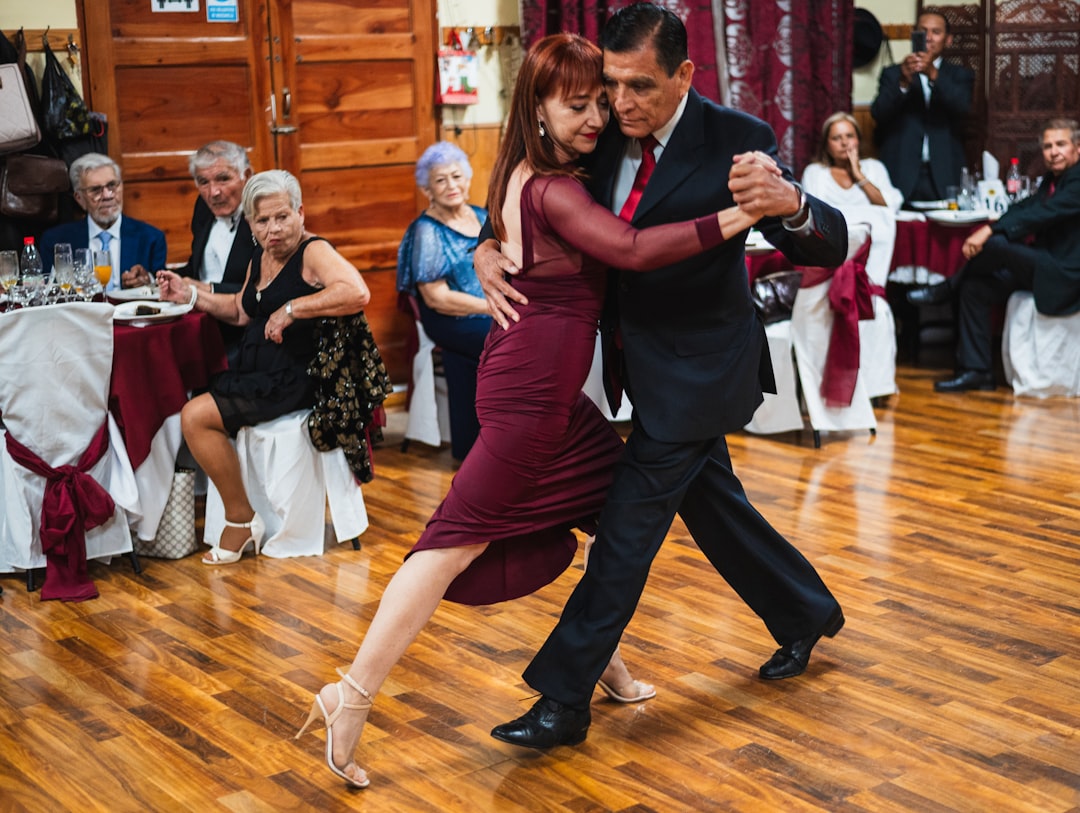
Bachata is the complete opposite vibe. It’s intimate, with partners dancing much closer together. The basic step is literally just stepping side to side with that signature hip movement. Your upper body stays relatively still while your hips do most of the talking.
The beauty of bachata lies in its body rolls, dips, and the way partners can play with different levels and directions while maintaining that close connection. It’s sensual without being overly complicated technically.
Learning Curve Differences
Let me be real with you – salsa has a steeper learning curve. Between counting the music, remembering turn patterns, maintaining frame, and coordinating with your partner, there’s a lot happening simultaneously. I’ve seen beginners get frustrated because they feel like they need to master so many elements before they can actually enjoy dancing.
Bachata is much more forgiving for newcomers. The basic step is simple enough that you can learn it in one lesson and actually feel like you’re dancing bachata. The slower tempo gives you time to think, and the close embrace means you’re getting constant feedback from your partner about timing and movement.
However – and this is important – bachata requires a different kind of body awareness. You need to be comfortable with hip movement and close partner connection, which can feel awkward if you’re not used to it.
Social Dancing Considerations
In most Latin dance scenes across the US, salsa dominates. Walk into any Latin night in San Diego, LA, or New York, and you’ll find more salsa songs than bachata. This means more opportunities to dance and more potential partners who know salsa.
Salsa also has incredible variety – Cuban style, LA style, New York style, Colombian style – each with different techniques and cultural flavors. This gives you room to explore and find what resonates with your personality.
Bachata has been exploding in popularity over the last decade, especially among younger dancers. The music is everywhere now – you hear bachata in mainstream clubs, not just Latin venues. Plus, bachata dancers tend to be really welcoming to beginners because the dance itself encourages that close, supportive connection.
Which Should You Start With?
Here’s my honest take based on watching hundreds of people start their Latin dance journey:
Start with bachata if:
– You want to feel confident on the dance floor quickly
– You’re comfortable with close partner dancing
– You prefer slower, more romantic music
– You want to focus on connection and feeling over complex patterns
– You get overwhelmed easily and prefer to build skills gradually
Start with salsa if:
– You love energetic, complex music
– You enjoy technical challenges
– You want maximum opportunities to social dance
– You’re drawn to the cultural richness and variety of styles
– You don’t mind a steeper learning curve for potentially greater rewards
The Gear You’ll Need
Regardless of which dance you choose, you’ll need proper shoes. For salsa, I recommend Capezio Footundeez or Bloch Dance Sneakers for their support and spin capability. Bachata dancers often prefer Supadance Latin Shoes for their flexibility and sensual lines.
For practice wear, both dances benefit from clothes that move with you. DancewearCorner Practice Pants work great for both styles, while bachata dancers might want BodyWrappers Crop Tops for the freedom of movement needed for body rolls.
Comparison Table: Salsa vs Bachata
| Aspect | Salsa | Bachata |
|---|---|---|
| Music Tempo | 160-220 BPM | 120-150 BPM |
| Basic Pattern | 8-count | 4-count |
| Partner Position | Open frame, arm’s length | Close embrace |
| Movement Style | Sharp, traveling, spins | Smooth, hip movement, intimate |
| Learning Curve | Steep | Gentle |
| Social Opportunities | Very high | Growing rapidly |
| Cultural Variety | Multiple styles/countries | Primarily Dominican |
| Best for Beginners | If you like challenges | If you want quick confidence |
My Final Advice
You know what? You don’t have to pick just one. I started with salsa because that’s what was available in my local scene, but adding bachata made me a more well-rounded dancer and social partner. The hip movement I learned from bachata actually improved my salsa styling, and the timing skills from salsa made me a better bachata lead.
That said, if you’re completely new to partner dancing, bachata might give you the confidence boost you need to stick with Latin dancing long-term. There’s something magical about being able to enjoy your first bachata song instead of spending months feeling lost on the dance floor.
Whatever you choose, remember that Latin dancing is about joy, connection, and cultural appreciation. Both salsa and bachata will teach you those lessons – just in their own beautiful ways.
The most important thing is to start somewhere. Pick the one that excites you more right now, find a good beginner class, and get moving. Trust me, once you catch the Latin dance fever, you’ll end up learning both eventually anyway.
Leave a Reply