Category: Uncategorized

  • Top Salsa Dance Shoes for Spinning – What the Sole Actually Matters

    This post contains affiliate links. If you buy through our links, we may earn a small commission at no extra cost to you.

    Top Salsa Dance Shoes for Spinning – What the Sole Actually Matters

    Let me tell you something that took me years to figure out – the difference between struggling through spins and gliding effortlessly across the dance floor isn’t just practice (though that helps). It’s what’s literally underneath your feet.

    I spent my first two years of salsa dancing in regular sneakers, wondering why my spins looked more like stumbling recovery moves than smooth rotations. The breakthrough came when my dance partner finally dragged me to a proper dance shoe store. The moment I slipped on my first pair of suede-soled Latin shoes, everything clicked. Suddenly, I could pivot without my foot catching, execute multiple spins without losing balance, and actually control my turns instead of just hoping for the best.

    Why Your Sole Choice Changes Everything

    The sole of your dance shoe isn’t just about looking professional – it’s physics in action. When you spin in salsa, you need just the right amount of friction: enough to maintain control and stability, but not so much that your foot gets stuck mid-turn.

    Regular street shoes have rubber soles designed for grip and traction. Great for walking on wet sidewalks, terrible for spinning on dance floors. That grippy rubber sole that keeps you from slipping on stairs will literally stop your spin short, putting stress on your knees and ankles while making you look choppy on the floor.

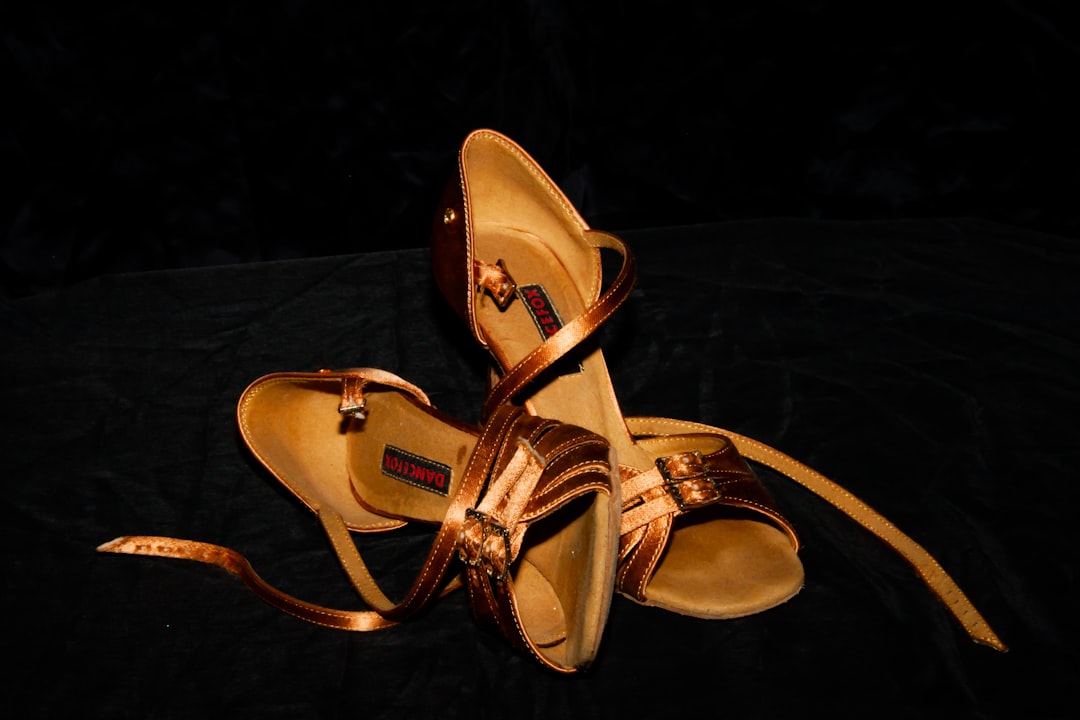
    Dance shoe soles, on the other hand, are engineered for controlled sliding. They give you the ability to pivot smoothly while still providing enough grip for stability during basic steps, dips, and styling moves.

    The Three Main Sole Types Explained

    Suede Soles
    This is the gold standard for most salsa dancers. Suede provides excellent spin capability while maintaining enough grip for control. The texture naturally adjusts to different floor conditions – it grips more on smooth floors and slides more on rougher surfaces. The only downside? Suede soles are strictly for indoor use and require regular brushing to maintain their texture.

    Leather Soles
    These offer more slide than suede, making them popular with advanced dancers who want maximum spin potential. Leather soles are also more durable and can handle occasional outdoor use (though I wouldn’t recommend it). However, they can be slippery for beginners, and the extra slide makes them less forgiving if your technique isn’t solid.

    Chrome Leather/Split Sole
    This is a newer option that combines leather with other materials. These soles typically provide a middle ground between suede and full leather, offering good spin capability with slightly more control than pure leather.

    My Top Recommendations for Spinning Success

    Here’s my honest breakdown of the shoes that have served me and my dance community best over the years:

    Shoe Sole Type Best For Price Range Spin Rating
    Supadance 1016 Suede Beginners to Advanced $120-150 Excellent
    International Dance Shoes Venus Suede Budget-conscious dancers $80-100 Very Good
    Ray Rose Rockslide Chrome leather Intermediate to Advanced $150-180 Outstanding
    Capezio BR09 Leather Advanced spinners $90-120 Excellent
    Diamant Model 035 Suede All levels $100-130 Very Good

    For Beginners: Start with the Supadance 1016. The suede sole forgives technique mistakes while still allowing proper spins. The quality construction means they’ll last through your learning phase and beyond.

    For Budget-Minded Dancers: The International Dance Shoes Venus offers genuine suede soles at a more accessible price point. They won’t last as long as premium options, but they’ll definitely get you spinning properly.

    For Advanced Spinners: The Ray Rose Rockslide is my personal favorite. The chrome leather sole provides incredible spin potential while the construction quality means they’ll handle hours of social dancing and practice.

    What About Heel Height?

    Here’s where things get personal. I’ve seen dancers excel in everything from 1-inch Cuban heels to 3-inch stilettos. For spinning specifically, I recommend staying in the 1.5 to 2.5-inch range. This gives you enough height to engage your calf muscles properly (which helps with balance during spins) without making you feel unstable.

    Lower heels are more forgiving for beginners, while higher heels can actually help with certain spin techniques once you’re comfortable. The key is finding what allows you to maintain your balance throughout multiple rotations.

    Breaking In Your New Sole

    Don’t expect to nail perfect spins the moment you put on new dance shoes. Every sole type has a break-in period where the material adjusts to your movement patterns and the floors you dance on.

    For suede soles, I always recommend dancing on them indoors for at least 5-6 hours before judging their performance. The suede needs to develop the right texture for your dancing style. For leather soles, the break-in is even more important – they start quite slippery and gradually develop better grip as you wear them.

    Floor Conditions Matter

    Even the best dance shoes won’t perform well on inappropriate floors. Concrete floors will destroy suede soles quickly and provide too much grip for proper spinning. Overly polished floors can make even suede soles too slippery.

    Most salsa venues maintain their floors specifically for dancing, but if you’re dancing somewhere new, test your spins gradually. Start with single spins and work up to multiples once you understand how your shoes interact with that particular floor.

    Maintenance for Longevity

    Suede soles need regular brushing with a wire brush to maintain their texture. I keep a small brush in my dance bag and give my soles a quick brush every few dances if the floor is particularly smooth or dirty.

    Leather soles benefit from occasional conditioning to prevent cracking, but be careful not to make them too slippery. Some dancers lightly sand leather soles when they become too smooth.

    The Real Talk

    The best spinning shoes won’t automatically make you a better dancer, but the wrong shoes will definitely hold you back. I’ve watched too many frustrated beginners struggle with spins simply because they were fighting their footwear instead of focusing on technique.

    Investing in proper dance shoes with the right sole for your level and style isn’t just about looking the part – it’s about giving yourself the tools to actually execute the moves you’re learning. Your ankles, knees, and dance partners will thank you.

    The difference between a stumbling turn and a smooth, controlled spin often comes down to those few millimeters of material between your foot and the floor. Choose wisely, break them in properly, and prepare to discover what your spins are actually capable of.
  • Salsa vs Bachata – What is the Difference and Which Should You Learn First

    Salsa vs Bachata – What is the Difference and Which Should You Learn First

    This post contains affiliate links. If you buy through our links, we may earn a small commission at no extra cost to you.

    So you’ve caught the Latin dance bug and now you’re standing at a crossroads – salsa or bachata? I get this question constantly at the San Diego dance scene, and honestly, it’s like asking someone to pick their favorite child. Both dances will steal your heart, but they do it in completely different ways.

    Let me break down what makes each dance unique and help you figure out which one might be calling your name first.

    The Musical Foundation

    Salsa pulses with energy – it’s built on complex Afro-Cuban rhythms that make your shoulders want to move before your feet even know what’s happening. The music typically runs at 160-220 beats per minute, with prominent brass sections, congas, and timbales creating layers of percussion that can honestly feel overwhelming when you’re starting out.

    Bachata takes a completely different approach. Born in the Dominican Republic, it’s got this romantic, guitar-driven sound that immediately makes you want to get close to someone. The tempo is much more forgiving for beginners, usually sitting between 120-150 BPM, with a distinctive guitar melody that’s easy to follow.

    Here’s something interesting – bachata’s four-beat pattern includes this little “tap” or hip movement on the fourth beat that gives the dance its signature sensual flow. Salsa works in eight-beat phrases that can trip up newcomers who are still learning to count music.

    Movement Styles and Technique

    Salsa is all about sharp, precise movements and quick footwork. You’re traveling around the dance floor, spinning, doing cross-body leads, and if you’re dancing “On2” (New York style), you’re syncing with the clave rhythm in a way that feels almost mathematical once you get it.

    The posture is upright and proud – think confident, energetic, with your core engaged and ready to change direction at any moment. Your frame needs to be strong because you’re communicating complex patterns through connection.

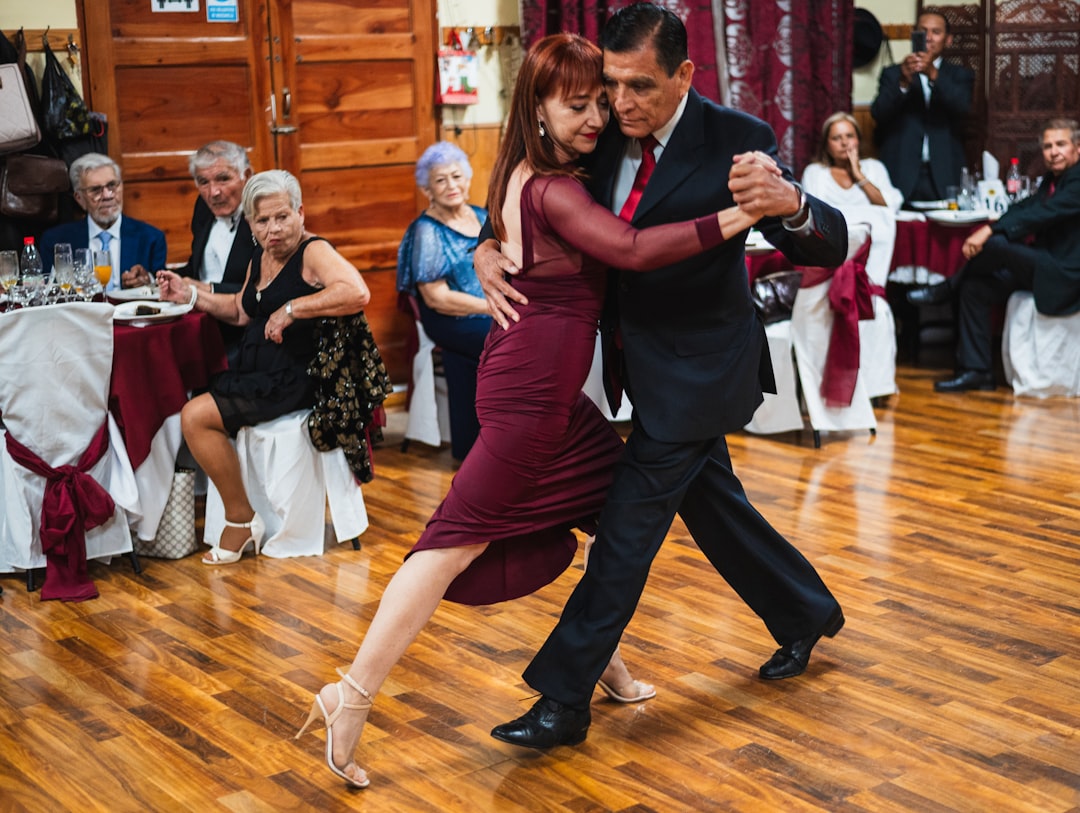
    Bachata is the complete opposite vibe. It’s intimate, with partners dancing much closer together. The basic step is literally just stepping side to side with that signature hip movement. Your upper body stays relatively still while your hips do most of the talking.

    The beauty of bachata lies in its body rolls, dips, and the way partners can play with different levels and directions while maintaining that close connection. It’s sensual without being overly complicated technically.

    Learning Curve Differences

    Let me be real with you – salsa has a steeper learning curve. Between counting the music, remembering turn patterns, maintaining frame, and coordinating with your partner, there’s a lot happening simultaneously. I’ve seen beginners get frustrated because they feel like they need to master so many elements before they can actually enjoy dancing.

    Bachata is much more forgiving for newcomers. The basic step is simple enough that you can learn it in one lesson and actually feel like you’re dancing bachata. The slower tempo gives you time to think, and the close embrace means you’re getting constant feedback from your partner about timing and movement.

    However – and this is important – bachata requires a different kind of body awareness. You need to be comfortable with hip movement and close partner connection, which can feel awkward if you’re not used to it.

    Social Dancing Considerations

    In most Latin dance scenes across the US, salsa dominates. Walk into any Latin night in San Diego, LA, or New York, and you’ll find more salsa songs than bachata. This means more opportunities to dance and more potential partners who know salsa.

    Salsa also has incredible variety – Cuban style, LA style, New York style, Colombian style – each with different techniques and cultural flavors. This gives you room to explore and find what resonates with your personality.

    Bachata has been exploding in popularity over the last decade, especially among younger dancers. The music is everywhere now – you hear bachata in mainstream clubs, not just Latin venues. Plus, bachata dancers tend to be really welcoming to beginners because the dance itself encourages that close, supportive connection.

    Which Should You Start With?

    Here’s my honest take based on watching hundreds of people start their Latin dance journey:

    Start with bachata if:
    – You want to feel confident on the dance floor quickly
    – You’re comfortable with close partner dancing
    – You prefer slower, more romantic music
    – You want to focus on connection and feeling over complex patterns
    – You get overwhelmed easily and prefer to build skills gradually

    Start with salsa if:
    – You love energetic, complex music
    – You enjoy technical challenges
    – You want maximum opportunities to social dance
    – You’re drawn to the cultural richness and variety of styles
    – You don’t mind a steeper learning curve for potentially greater rewards

    The Gear You’ll Need

    Regardless of which dance you choose, you’ll need proper shoes. For salsa, I recommend Capezio Footundeez or Bloch Dance Sneakers for their support and spin capability. Bachata dancers often prefer Supadance Latin Shoes for their flexibility and sensual lines.

    For practice wear, both dances benefit from clothes that move with you. DancewearCorner Practice Pants work great for both styles, while bachata dancers might want BodyWrappers Crop Tops for the freedom of movement needed for body rolls.

    Comparison Table: Salsa vs Bachata

    Aspect Salsa Bachata
    Music Tempo 160-220 BPM 120-150 BPM
    Basic Pattern 8-count 4-count
    Partner Position Open frame, arm’s length Close embrace
    Movement Style Sharp, traveling, spins Smooth, hip movement, intimate
    Learning Curve Steep Gentle
    Social Opportunities Very high Growing rapidly
    Cultural Variety Multiple styles/countries Primarily Dominican
    Best for Beginners If you like challenges If you want quick confidence

    My Final Advice

    You know what? You don’t have to pick just one. I started with salsa because that’s what was available in my local scene, but adding bachata made me a more well-rounded dancer and social partner. The hip movement I learned from bachata actually improved my salsa styling, and the timing skills from salsa made me a better bachata lead.

    That said, if you’re completely new to partner dancing, bachata might give you the confidence boost you need to stick with Latin dancing long-term. There’s something magical about being able to enjoy your first bachata song instead of spending months feeling lost on the dance floor.

    Whatever you choose, remember that Latin dancing is about joy, connection, and cultural appreciation. Both salsa and bachata will teach you those lessons – just in their own beautiful ways.

    The most important thing is to start somewhere. Pick the one that excites you more right now, find a good beginner class, and get moving. Trust me, once you catch the Latin dance fever, you’ll end up learning both eventually anyway.

  • Vivaz vs Burju Dance Shoes — Which Should You Buy?

    Vivaz vs Burju Dance Shoes — Which Should You Buy?


    Vivaz vs Burju dance shoes — an honest comparison of fit, quality, sole, and value. Which brand is right for your dancing? Here’s the real answer.

    If you’ve spent more than 15 minutes researching salsa or bachata shoes, you’ve already run into both of these brands. Vivaz and Burju dominate the conversation in the Latin dance community — and for good reason. They’re both legit. But they’re not the same shoe, they’re not for the same dancer, and buying the wrong one is an expensive mistake.
    I’ve seen both brands worn on dance floors from Tuesday night socials to full-on congress weekends. I’ve watched beginners wobble in the wrong heel height and experienced dancers light up when a shoe finally fits the way it should. So let me give you the actual breakdown — no fluff, no “both are great in their own way” cop-outs.

    The Short Version (If You’re in a Hurry)
    Buy Vivaz if: You want a wider variety of styles, slightly more budget-friendly options, and a shoe built with the social dance floor in mind.
    Buy Burju if: You want premium construction, a sleeker look, and you’re willing to invest more in a shoe that performs at a higher level.
    Now here’s why.

    Brand Background
    Vivaz is a dance shoe brand that’s become a go-to in the Latin social dance world. Their shoes are designed specifically for salsa, bachata, and kizomba — not ballet, not ballroom, not “multi-use.” That focus shows. They offer a solid range of heel heights, toe styles, and widths, and their price point is generally more accessible than Burju.
    Burju is a premium Latin dance shoe brand that’s carved out a reputation for quality construction and aesthetics that hold up both on and off the dance floor. Burju shoes look sharp. The materials feel more refined, the finishes are more consistent, and they’ve built a loyal following among dancers who’ve tried cheaper options and decided they’re done compromising.
    Both brands are women-first in terms of catalog size, but both have men’s options worth knowing about.

    Fit and Sizing — This Is Where It Gets Real
    This is the part most comparison articles skip, and it’s arguably the most important thing to talk about.
    Vivaz tends to run slightly narrow in some models. If you have a wider forefoot, you’ll want to size up or look specifically at their wider-cut styles. Their sizing is generally consistent with standard US sizing, but check the individual product page — some styles have specific fit notes. The strap placement on most Vivaz heels is solid and keeps your foot secure without cutting in during spins.
    Burju fits a bit differently depending on the style. Their closed-toe pumps tend to run true to size. Their strappy open-toe styles can run slightly small, so going half a size up is a common recommendation in the dance community. Burju shoes also tend to have a more structured fit — there’s less “break-in” slop, which is either great or uncomfortable depending on your foot shape.
    Bottom line on fit: If you’re between sizes or have a wider foot, Vivaz is probably more forgiving. If you have a narrow-to-medium foot and want a snug, precise fit right out of the box, Burju is excellent.

    Sole Construction — Because Spinning Matters
    Here’s something non-dancers don’t think about and dancers obsess over: the sole.
    Social dance shoes need a sole that lets you spin without your foot sticking (sticky rubber = painful ankle) but also gives you enough grip that you’re not hydroplaning across a slippery floor. It’s a balance.
    Vivaz uses a suede or suede-split sole on most of their dance-specific styles. This is the gold standard for indoor dance floors — it slides when you want it to, grips when you need it, and doesn’t destroy the floor surface. Their sole is generally medium thickness, which gives decent feedback through the foot.
    Burju also uses suede soles on their dance shoes, and the quality here is noticeably consistent. The suede feels a bit denser on some Burju models, which some dancers prefer for more controlled movement. A few Burju styles use a chrome-leather split sole that’s worth noting if you’re particular about sole feel.
    For spinning specifically, both brands perform well. Neither is going to let you down if you’re doing basic turns at a social. Where Burju might edge ahead is for dancers doing more advanced footwork — the slightly firmer sole construction can give better floor feedback.

    Price Comparison
    Let’s talk money.
    VivazBurjuEntry-level heels~$65–$85~$85–$105Mid-range styles~$85–$110~$105–$130Premium styles~$110–$130~$130–$160+Men’s shoes~$70–$100~$90–$120
    Vivaz is consistently more affordable by about $20–$30 per comparable style. For a beginner who isn’t sure how serious they’re going to get about dancing, that price gap matters. For someone who already knows they’ll be dancing twice a week for the next three years, the Burju investment makes more sense.

    Style Selection
    Vivaz has a broader catalog. More heel heights, more strap configurations, more color options. If you want a very specific look — say, a nude heel with ankle strap at 2.5 inches — Vivaz probably has it. Their collection updates regularly and they tend to stock a wider range of sizes.
    Burju has a tighter, more curated collection. What they make, they make well. But you may not find the exact spec you’re looking for if you have very specific requirements. Their aesthetic skews slightly more classic and refined — less flashy, more elegant.

    Specific Models Worth Knowing
    Vivaz Picks:
    Vivaz Destiny — One of their most popular women’s heels. 2.5″ heel, ankle strap, available in multiple colors. Great beginner-to-intermediate option. (Check price on Amazon →)
    Vivaz Prince (Men’s) — Clean, low-profile men’s shoe with suede sole. Comfortable for long social nights. (Check price on Amazon →)
    Burju Picks:
    Burju Luna — A sleek strappy sandal that performs as good as it looks. The suede sole is excellent and the fit is true-to-size. This is the shoe you bring to a congress. (Check price on Burju.com →)
    Burju Classic (Men’s) — Well-constructed men’s dance shoe with a clean silhouette. The leather upper breaks in nicely over the first few wears. (Check price on Burju.com →)

    Who Should Buy Vivaz?

    Beginners who are still figuring out their style and don’t want to overspend
    Dancers with wider feet who need more sizing flexibility
    Anyone who wants more color and style options
    Dancers on a budget who still want a real dance shoe (not a fashion shoe pretending to be one)

    Who Should Buy Burju?

    Intermediate to advanced dancers who’ve already outgrown budget shoes
    Dancers who care about aesthetics as much as performance
    Anyone who wants a shoe that looks great at a congress, not just a Tuesday night social
    Narrow-to-medium foot owners who want a precise, snug fit

    The Verdict
    Both brands are the real deal. This isn’t a situation where one is clearly better — it’s a question of who you are as a dancer right now.
    If you’re new to Latin dance and you’re still deciding whether this is going to be a hobby or a lifestyle, start with Vivaz. You’ll get a quality dance shoe, the suede sole will change your life compared to regular sneakers, and you won’t feel sick if you outgrow the style in a year.
    If you’ve been dancing long enough to know this isn’t a phase, and you want a shoe that reflects that — buy Burju. You’ll feel the difference on the floor and you’ll stop second-guessing your footwear.
    Either way, stop dancing in regular shoes. Your knees and your partners will thank you.

    Have you danced in both? Drop your experience in the comments — I’m always curious to hear what other dancers think.

  • Best Bachata Shoes for Men — Reviewed by an Actual Dancer

    Best Bachata Shoes for Men — Reviewed by an Actual Dancer

    Best Bachata Shoes for Men — Reviewed by an Actual Dancer

    Let me be honest about something most shoe guides won’t tell you: the wrong shoes will tank your bachata faster than bad timing. I’ve watched guys show up to socials in basketball shoes and wonder why their footwork feels like they’re dancing through wet concrete. I’ve also seen beginners drop $200 on salsa heels that were completely wrong for bachata’s close-embrace style. Both mistakes are avoidable — and that’s exactly what this guide is for. Bachata has specific physical demands that most generic “Latin dance shoe” guides completely ignore. So let’s fix that. Why Bachata Shoes Are Different From Regular Sneakers (and Salsa Shoes) Before we get to the list, you need to understand why the shoe matters in bachata specifically. The suede sole is non-negotiable. Bachata involves constant weight shifts, lateral steps, and body rolls where your foot needs to pivot and slide slightly — not grip. Street shoes grip the floor. Grip is your enemy when you’re trying to execute a smooth hip movement or lead your partner through a close-embrace turn. Suede soles let you slide just enough without losing control. Heel height actually helps men in bachata. I know, I know — it sounds weird. But most quality men’s dance shoes have a 1–1.5 inch heel. This isn’t a fashion statement; it shifts your weight slightly forward onto the ball of your foot, which is exactly where you want it in bachata. It improves your posture, your connection with your partner, and your ability to feel the music in your hips. Once you dance in a proper heel, going back to flat shoes feels like dancing with your eyes closed. The close hold changes everything. Bachata sensual especially is danced in close embrace. That means your partner feels every shift of your weight. A stiff, bulky shoe kills that feedback. You want something with a thin, flexible sole — enough to feel the floor — paired with enough structure to support your ankle. Bachata vs. salsa shoes: Salsa shoes tend to prioritize spinning — some have a small spin spot on the ball of the foot. Bachata can use that too, but the emphasis is more on fluid weight transfer and hip movement. The two styles often work in the same shoe, but knowing this helps you prioritize. What to Look for in a Bachata Shoe for Men Suede or chrome leather sole (suede is standard — avoid rubber-soled shoes) 1–1.5 inch heel (this is the sweet spot for most men) Snug fit — your foot shouldn’t slide inside the shoe during spins Lightweight construction — heavy shoes = tired legs by midnight Breathable upper — socials run hot, your feet will thank you Ankle support — especially important for beginners still developing balance The Best Bachata Shoes for Men in 2025 Here’s my actual breakdown — organized from beginner-friendly to advanced picks, with honest takes on each. 1. Burju Dance Shoes — Classic Low Heel (Best Overall for Bachata) If you’re serious about bachata, Burju is the name that comes up again and again in the San Diego and LA Latin dance communities. Their men’s line is small but well-designed, built specifically for Latin social dancing — not ballroom, not wedding reception shuffling. Real salsa and bachata footwork. The Classic Low Heel from Burju sits at about 1 inch, hits that ideal weight-forward position, and uses a proper suede sole that performs on both wood and tile floors. The leather upper is breathable and breaks in faster than you’d expect. These are the shoes I’d recommend to any intermediate dancer who’s ready to stop messing around with Amazon impulse buys. Price point: $90–$120 | Best for: Intermediate to advanced dancers Buy directly at: burjushoes.com 2. Vivaz Dance Shoes — Men’s Latin Collection (Best for Beginners Ready to Invest) Vivaz makes some of the best-constructed shoes in the Latin dance space, period. Their men’s collection isn’t huge, but what they make is excellent. The suede sole is high quality, the fit runs true to size (slightly narrow, so size up if you’re between sizes), and the 1.5-inch heel is styled to look sharp without screaming “I am wearing dance shoes.” That last point matters more than you’d think. Especially for beginners — you want a shoe that looks like a nice dress shoe from across the room. Vivaz nails this. You can walk into a venue, dance all night, and walk out without looking like you strapped on tap shoes. Price point: $110–$140 | Best for: Beginners investing in quality from day one Buy directly at: vivaz.com 3. Dance Naturals Men’s Latin Shoe (Best Budget-Friendly Quality Pick) → Check Price on Amazon Dance Naturals doesn’t get enough credit in beginner circles. They’re an Italian brand that’s been making dance shoes since the 1970s, and their men’s Latin line sits in the $60–$85 range — affordable enough that you won’t have a panic attack if you scuff them at your first social. The suede sole is genuinely good, not the cheap afterthought you get on Amazon off-brands. Heel height is around 1 inch. The fit is slightly narrow (European sizing), so if you have wider feet, check the sizing chart carefully or go up a half size. Price point: $60–$85 | Best for: Beginners who want quality without the premium price 4. Very Fine Dance Shoes — Men’s Latin (Best Entry-Level Pick on Amazon) → Check Price on Amazon Very Fine is the shoe brand I’d recommend to someone who texts me “I have my first class in three days and I need something fast.” They’re widely available on Amazon, they ship quickly, and they’re a massive step up from street shoes without making you spend $100+ before you even know if you like bachata. Their men’s Latin styles feature a suede sole, 1–1.5 inch heel, and a lace-up or buckle closure. They’re not going to turn heads at a high-level social, but they’ll do the job while you figure out your style and commit to the dance. Consider them your starter shoes. Price point: $35–$55 | Best for: Complete beginners / “I’m not sure I’ll stick with this yet” 5. Capezio Men’s Leather Oxford (Best for the Reluctant Dancer) → Check Price on Amazon Some guys walk into bachata class and just aren’t ready to commit to the full “Latin dance shoe” aesthetic. I get it. Capezio’s Men’s Leather Oxford looks like a regular dress shoe. It doesn’t scream “ballroom.” You can wear it to dinner and then to a social without changing. The trade-off: the sole isn’t as premium as Burju or Vivaz, and the heel is flat or very low. For sensual bachata specifically, you’ll want to eventually upgrade to something with more heel. But as a starting point — especially for someone dragged to their first class by a partner — these work and won’t require a whole conversation. Price point: $40–$65 | Best for: Guys who want something that looks like a normal shoe Quick Comparison Table ShoePriceHeel HeightBest ForSole TypeBurju Classic$90–$1201 inchIntermediate/AdvancedSuedeVivaz Men’s Latin$110–$1401.5 inchBeginners investing in qualitySuedeDance Naturals$60–$851 inchBudget-conscious beginnersSuedeVery Fine$35–$551–1.5 inchComplete beginnersSuedeCapezio Oxford$40–$65Flat/lowReluctant startersLeather What About Wearing Salsa Shoes for Bachata? Short answer: usually fine. The longer answer: most men’s Latin dance shoes are versatile enough to work for both salsa and bachata. The bigger issue is using street shoes for either. If you already have a pair of salsa shoes with a suede sole and a modest heel, absolutely wear them to bachata class. The movement patterns are different, but the shoe requirements overlap heavily. Where it gets tricky is Dominican bachata (faster, more footwork-heavy) vs. bachata sensual (slower, closer, more body roll). For Dominican, you might actually prefer a slightly lower heel or even a flat with a suede sole. For sensual, the 1–1.5 inch heel really shines. Taking Care of Your Suede Soles One thing nobody tells beginners: suede soles need maintenance. After a few months of dancing, the suede flattens down and gets slippery in the wrong way — not the controlled slide you want, but the “just lost my footing mid-dip” kind. Get a suede sole brush (they’re $5–$10 on Amazon) and brush the sole perpendicular to the direction of dance every few weeks. It re-raises the nap and restores the grip-slide balance. It takes 30 seconds and extends the life of your shoes significantly. → Suede Sole Brush on Amazon Final Take If you’re a beginner: start with Very Fine or Capezio to get through your first few months, then upgrade once you’re hooked (you will be). If you’re ready to invest from day one: go Vivaz or Burju. You’ll dance in them for years and they’ll pay for themselves in the confidence boost alone. Either way — get off the rubber soles. Your footwork will improve overnight. Have questions about fit or which style works for your foot type? Drop them in the comments — I check back regularly.

  • Best Salsa Shoes for Wide Feet — Brands That Actually Fit

    Best Salsa Shoes for Wide Feet — Brands That Actually Fit

    If you’ve got wide feet, you already know the drill. You find a shoe you love, try it on, and your foot basically laughs at it. Too narrow across the ball. Pinching at the pinky toe. That weird gap at the heel because the proportions are all wrong for your foot shape.

    Now add the demands of salsa dancing — pivoting on the ball of your foot, spinning, quick weight transfers, lateral movement — and a poorly fitting shoe stops being a minor annoyance and starts actively wrecking your technique.

    I’ve seen beginners blame themselves for sloppy turns when the real culprit is a shoe that’s gripping their foot wrong. Your brain is trying to compensate for discomfort instead of focusing on the music.

    So let’s fix that. Here’s what actually works for wide feet in the salsa and bachata world — for women and men, because the guys with wide feet are almost always left out of this conversation.


    Why Regular Dance Shoes Don’t Work for Wide Feet

    Most Latin dance shoes are built on a fairly narrow last — the foot-shaped mold that determines the shoe’s internal shape. Brands design for a “standard” foot, which in practice means a B width for women and D width for men.

    If you’re a D or E width woman, or an E, 2E, or 4E width man, you’re outside that design spec. The shoe might technicallygo on your foot, but it’s not built for your foot.

    Here’s why this matters specifically for dancing:

    Spinning: When you spin, you’re balancing on the ball of your foot. If your shoe is too narrow there, your foot is being compressed laterally — which throws off your balance and makes clean spins harder.

    Pivoting: Lateral movement and pivots put side pressure on your foot. In a too-narrow shoe, this creates friction and pain right at the widest part of your foot (the first and fifth metatarsal heads).

    Long nights: A social dance night can run 3–4 hours. Even mild compression that you ignore for the first hour becomes genuinely painful by midnight.

    The solution isn’t “just size up.” Sizing up in length to get more width gives you a shoe that’s too long — now your heel slips and your whole stride is off. You need actual width options.


    What to Look For in Wide-Fit Dance Shoes

    Before we get into specific picks, here’s what separates a genuinely wide-friendly dance shoe from one that just markets itself that way:

    • Actual width designations (W, WW, 2E, 4E) — not just “fits wide feet”
    • Wide toe box with a rounded or square front, not a tapered point
    • Adjustable straps that can accommodate volume differences across foot types
    • Flexible upper material — soft leather or microfiber stretches more than rigid synthetic
    • Suede sole — non-negotiable for dancing, but at least you need to know it’s there

    Best Salsa Shoes for Wide Feet — Women

    1. Very Fine Dance Shoes — Style VFSYME131

    Very Fine is one of the most underrated brands for wide-footed women. They offer multiple width options on many of their styles — including W (wide) — and their construction uses a softer synthetic leather that has genuine give across the ball of the foot.

    The VFSYME131 is a classic T-strap design with a 2.5-inch heel, which is a great beginner height. The ankle strap is adjustable, and the toe box is noticeably wider than comparable Capezio styles.

    Why it works for wide feet: Available in W width. Soft upper. Secure ankle strap compensates for the fit variations that come with wider feet.

    👉 Check current price on Amazon (affiliate link)


    2. Capezio Rosa — Latin Heel

    Capezio is one of the few mainstream dance brands that takes width sizing seriously across their product line. The Rosa is available in N (narrow), M (medium), and W (wide), which is rare for a Latin heel.

    The 2-inch heel and closed toe design make this approachable for beginners, and the wide version genuinely fits like a wide shoe — not just a regular shoe with extra marketing copy.

    One thing to know: Capezio’s wide can still feel a bit snug if you’re a very high-volume foot (think D width or wider). But for most women who identify as wide-footed, this works.

    Why it works for wide feet: Officially available in W width. Reputable brand with consistent sizing. Wide toe box in the wider version.

    👉 Check current price on Amazon (affiliate link)


    3. Burju Shoes — Customizable Fit

    Burju is a dance-specific brand with a loyal following in the salsa community, and they offer something most brands don’t: made-to-order options and a wider-than-average construction across their standard line.

    Even their regular-width shoes tend to run a bit roomier in the toe box than other Latin dance brands. If you’re between regular and wide, Burju often splits the difference in the best way.

    They also have an excellent return/exchange process, which matters when you’re trying to get fit right without visiting a physical store.

    Why it works for wide feet: Roomier construction. Direct brand purchase means better customer service for fit issues. Custom sizing available on request.

    👉 Shop Burju Shoes directly (affiliate link)


    4. Vivaz Dance Shoes — Bella or Luna Style

    Vivaz has become a go-to brand for salsa dancers in the last few years. Their quality-to-price ratio is solid, and their shoes have a somewhat generous fit across the forefoot compared to older brands like Very Fine or Sansha.

    They don’t advertise wide widths explicitly, but the Bella and Luna styles consistently get reviews from wide-footed dancers saying they fit when other brands didn’t. The soft microfiber upper helps a lot here.

    Why it works for wide feet: Flexible microfiber upper. Forefoot runs slightly generous. Good price point for testing fit without a huge investment.

    👉 Shop Vivaz Dance Shoes (affiliate link)


    Best Salsa Shoes for Wide Feet — Men

    This section basically doesn’t exist anywhere else online. Men with wide feet who want to dance salsa are almost completely ignored by the content out there. Let’s fix that.

    Men’s Latin dance shoes are already limited in selection compared to women’s. Add a wide width requirement and the options get thin fast. But they exist.

    5. Very Fine Men’s Dance Shoe — Style VF-VFSM-Classique

    Very Fine makes men’s dance shoes and offers them in wide widths — which puts them in a very small category of brands that do this at all. The Classique is a standard Oxford-style Latin shoe with a 1-inch heel, suede sole, and leather upper.

    It’s not flashy. It’s a solid, functional shoe that will actually fit your foot and let you dance without your toes going numb. For a beginner, that’s the whole game.

    Why it works for wide feet: Wide width available for men. Suede sole. Durable construction. Competitive price.

    👉 Check current price on Amazon (affiliate link)


    6. Dance Naturals / DanceShopper Men’s Latin

    DanceShopper carries a range of men’s Latin shoes from European brands (Dance Naturals, Supadance) that tend to have a more generous fit in the toe box than American brands. European lasts often have a wider front, even in “standard” width.

    This is worth knowing if you’ve struck out with American brands — European dance shoes may fit you better by design, not even as a wide option.

    Why it works for wide feet: European last construction runs roomier. Higher quality materials that mold to the foot over time. Worth trying if standard American brands haven’t worked.

    👉 Shop men’s Latin shoes at DanceShopper (affiliate link)


    Quick Comparison Table

    ShoeWho It's ForWidth OptionHeel HeightPrice RangeVery Fine VFSYME131WomenW available2.5"$40–60Capezio RosaWomenN/M/W2"$55–75Burju (varies by style)WomenRuns generous2–3"$80–130Vivaz Bella/LunaWomenSlightly generous2–2.5"$65–95Very Fine Classique (Men)MenW available1"$45–65DanceShopper EuropeanMenRuns generous1–1.5"$70–120

    Tips for Buying Dance Shoes with Wide Feet Online

    Order two sizes if you can. I know it’s annoying, but fit matters this much. Order your normal size and a half size up, try both, return the one that doesn’t work. Most dance shoe brands have reasonable return windows.

    Read reviews specifically from wide-footed buyers. Filter Amazon reviews for keywords like “wide,” “wide feet,” “E width.” Those reviewers are your people.

    Avoid pointy toe boxes completely. Any shoe with a tapered, pointy front is built for a narrow foot. Full stop. Even if it comes in a “wide” version, the toe box shape will fight you.

    Give leather and microfiber uppers time. A quality shoe will stretch and mold to your foot shape over the first few wears. Wear them around the house for 20–30 minutes before your first class.

    Don’t size up as a workaround. I said it earlier but it bears repeating. A shoe that’s too long creates heel slippage and changes how you pivot. Find actual width — don’t hack length.


    The Bottom Line

    Wide feet are not a dancing limitation. They’re a shopping limitation — which is a solvable problem.

    For women, Very Fine and Capezio are your safest bets for actual width sizing, with Burju and Vivaz worth trying for their generally roomier construction. For men, Very Fine and European brands from DanceShopper are about as good as it gets without going custom.

    Get the fit right first. Everything else in dancing — the technique, the style, the confidence — follows a lot more naturally when your feet aren’t screaming at you.


    Have a wide-fit dance shoe that worked for you? Drop it in the comments — I’m always looking to update this list with real community recommendations.

  • Best Salsa Dance Shoes for Beginners (Men & Women) — 2026

    Best Salsa Dance Shoes for Beginners (Men & Women) — 2026

    If you’ve just signed up for your first salsa class, there’s a good chance you’re planning to show up in sneakers. I get it — I did the same thing. And honestly? Your instructor won’t kick you out. But after one class on a hardwood floor with rubber-soled shoes that grip like velcro, you’re going to understand immediately why dance shoes exist.

    This isn’t about looking the part. It’s about being able to actually move.

    I’ve been dancing salsa in San Diego for years, and I’ve watched hundreds of beginners struggle through the same learning curve — not because salsa is hard, but because their shoes are fighting them. The right pair makes turns effortless, protects your knees, and honestly makes you feel like you know what you’re doing even when you don’t.

    Let me break this down clearly, without the fluff.

    Why Dance Shoes Actually Matter (The Real Explanation)

    Most articles just tell you to “get suede soles.” Here’s why that matters:

    Regular sneakers and street shoes have rubber or textured soles designed to grip floors — that’s great for not slipping on pavement, terrible for dancing. When you execute a salsa turn, your foot needs to pivot smoothly. With rubber soles, your foot grabs the floor and your knee absorbs the torque instead. Do that 200 times in a two-hour social, and you’ll feel it in your knees for days.

    Suede soles have just enough slip to let you pivot cleanly, but enough friction to keep you stable. It’s a specific, deliberate balance. That’s the whole game.

    Dance shoes are also constructed differently — they’re flexible through the ball of the foot, fitted snugly (not “comfortable walking around” snug, but supportive snug), and balanced for how your weight distributes when you’re dancing, not walking.

    For beginners, this matters more than you think, because you’re still building muscle memory. You don’t want to be fighting your equipment at the same time you’re learning footwork.

    What to Look for as a Beginner

    Before we get to specific picks, here’s what you actually need — and what you don’t need yet.

    You need:

    • Suede sole (non-negotiable)
    • A secure fit with no heel slippage
    • Heel height appropriate for your level (more on this below)
    • A price point you won’t regret if you decide dancing isn’t your thing

    You don’t need yet:

    • Competition-grade shoes
    • Anything over $120
    • Character shoes with complicated strapping
    • Custom-fit options

    Heel Height for Beginners — Let’s Actually Talk About This

    Women: Start with a 2″ to 2.5″ heel maximum. I know the gorgeous 3.5″ stiletto heels look incredible on experienced dancers. They also require strong ankles, good technique, and body awareness that takes months to develop. A 2″ block heel or a 2.5″ slim heel is where most instructors recommend you start. You’ll have better balance, learn footwork faster, and save the height for when your foundation is solid.

    Men: Most men’s salsa shoes have a 1″ to 1.5″ Cuban heel. This isn’t decorative — it shifts your weight slightly forward onto the ball of your foot, which is your power center in Latin dance. A small heel is correct. A flat sneaker puts your weight back on your heels, which kills your connection and footwork.

    Best Salsa Shoes for Beginners — Women’s Picks

    1. Very Fine Dance Shoes — VFSYCH (Best Overall Beginner Pick)

    If you want the honest “just buy these” recommendation for someone who’s just starting out, Very Fine is it. They’re well-constructed, affordable ($45–$65 range on Amazon), come in a huge range of sizes and widths, and have a proper suede sole. The 2.5″ heel is beginner-appropriate, and they feel like real dance shoes — not costume shoes.

    They won’t last you forever if you’re dancing four nights a week, but for someone in their first 3–6 months, they’re exactly what you need.

    👉 Check current price on Amazon — Very Fine Women’s Salsa Shoes (affiliate link)

    2. Capezio Rosa — Best Under $60

    Capezio has been making dance shoes forever and their entry-level heels punch above their price point. The Rosa style is simple, has a proper suede sole, and comes in nude/black. No frills, does the job, holds up well. Good pick if you’re on a tighter budget or just want something reliable without overthinking it.

    👉 Capezio Rosa on Amazon (affiliate link)

    3. Vivaz Dance Shoes — Best Step-Up Option

    Once you’ve been dancing for a few months and you know you’re in it, Vivaz is where I’d send you. These are proper Latin dance shoes made by people who understand the Latin dance world. Better construction, more heel options, and they carry wider widths. They run $85–$130 depending on the style.

    The Vida and Camila styles are popular for salsa — secure ankle strap, suede sole, and the kind of fit that doesn’t loosen up halfway through a social.

    👉 Browse Vivaz Dance Shoes (affiliate link — direct brand)

    4. Burju Luna — Best for Style + Function

    Burju has developed a cult following in the Latin dance community, and for good reason. The Luna is one of their most beginner-accessible styles — 2.5″ heel, t-strap for support, and available in a range of colors. They’re a bit pricier ($90–$120) but the quality is real. If you want something you’ll wear for years and grow into, Burju is a legitimate investment.

    👉 Browse Burju Women’s Dance Shoes (affiliate link — direct brand)

    Best Salsa Shoes for Beginners — Men’s Picks

    Men’s options get embarrassingly little coverage in most dance shoe articles. Let me fix that.

    1. Very Fine Men’s Salsa Shoes — Best Overall

    Same brand logic as the women’s pick — Very Fine makes a solid men’s Latin shoe with a proper 1.5″ Cuban heel and suede sole. The construction is better than what you’d expect at the $50–$65 price point. Fits true to size, and doesn’t look weird. That last part matters more than people admit.

    👉 Very Fine Men’s Latin Dance Shoes on Amazon (affiliate link)

    2. Capezio Men’s Leather Dance Oxford — Best Budget Pick

    If you want something that looks like a regular dress shoe but dances like a dance shoe, Capezio’s leather Oxford is a great call. It has the suede sole, the Cuban heel, and a clean look that works both in class and at social events. Usually around $55–$70.

    👉 Capezio Men’s Dance Oxford on Amazon (affiliate link)

    3. Burju Men’s Line — Best Premium Option

    Burju has expanded their men’s collection significantly in recent years. The construction is excellent and the styles are actually modern — not the stiff ballroom-adjacent shoes that have dominated men’s dance footwear forever. If you’re serious about dancing and want shoes that will last two or three years of regular use, Burju is where to go.

    👉 Browse Burju Men’s Dance Shoes (affiliate link — direct brand)

    Quick Comparison Table

    ShoeGenderHeel HeightPrice RangeBest For
    Very Fine VFSYCHWomen2.5″$45–$65Best overall beginner pick
    Capezio RosaWomen2″$50–$60Budget-conscious beginners
    Vivaz Vida/CamilaWomen2.5–3″$85–$1303–6 months in, stepping up
    Burju LunaWomen2.5″$90–$120Style + long-term investment
    Very Fine Men’sMen1.5″$50–$65Best overall beginner pick
    Capezio OxfordMen1″$55–$70Clean look, budget-friendly
    Burju Men’sMen1.5″$95–$130Serious dancers, durable

    Frequently Asked Questions

    Can I just wear my regular shoes to salsa class? You can, especially in your first class. But you’ll plateau faster, your knees will take more stress, and pivoting will feel impossible. Most people buy dance shoes after their first or second class once they feel the difference.

    Should I size up or down for dance shoes? Dance shoes should fit snugly — more like athletic shoes than dress shoes. Don’t size up thinking they’ll “break in.” They’ll just be loose and give you blisters.

    How long do beginner dance shoes last? At 1–2 classes per week, a pair like the Very Fine or Capezio should last 12–18 months before the suede sole wears down significantly. You can re-suede them, which extends their life considerably.

    Do men really need dance shoes for salsa? Yes, same reasons as women. The suede sole and heel placement matter regardless of gender. The guys in your class who look like they’re actually dancing? Check their feet.

    The Bottom Line

    Don’t overthink your first pair. If you’re brand new: Very Fine for both men and women — good quality, right price, won’t make you feel like you wasted money if life gets in the way. If you’ve been dancing for a few months and want to invest properly: Vivaz or Burju. Both are the real deal.

    Your shoes won’t make you a good dancer. But the wrong shoes will definitely make it harder to become one.