—
This post contains affiliate links. If you buy through our links, we may earn a small commission at no extra cost to you.
So you’ve decided you want to learn a partner dance. Smart move. But now you’re staring down two options that keep coming up — kizomba and bachata — and you have no idea which one to start with. Both look incredible when done well. Both have passionate communities. And both will absolutely humble you in the first few months.
I’ve been dancing salsa in San Diego for years, but I’ve spent plenty of time on the kizomba and bachata floors too. I’ve watched hundreds of beginners come through classes, and the question of which dance is “easier” comes up constantly. Honest answer? It depends on you. But let’s actually break it down so you can make a real decision.
—
What Even Is Kizomba?
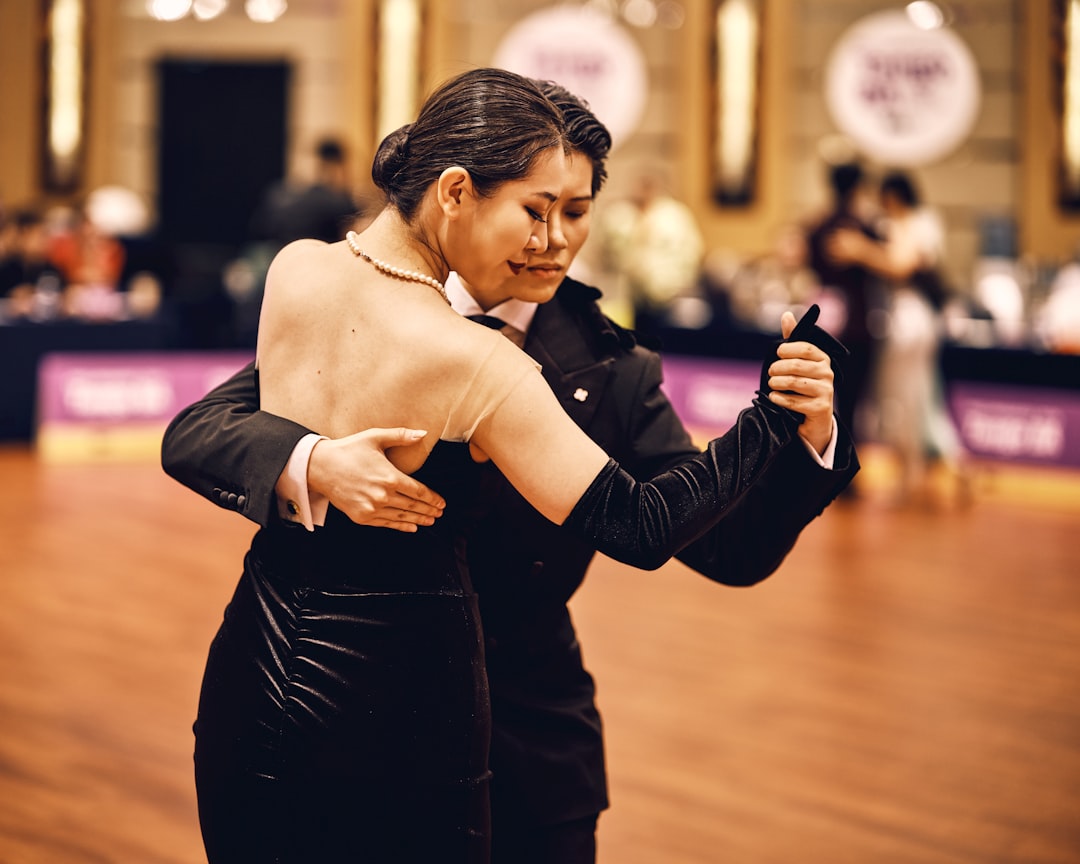
Kizomba comes from Angola, rooted in semba, and it’s got this deeply connected, walking-style movement that feels almost meditative when you get it right. The music is slow, the rhythm is steady, and you dance in a very close embrace.
There’s not a ton of footwork complexity at the beginner level. What kizomba does demand is body awareness, sensitivity to your partner, and the ability to completely relax your upper body. That last part trips up almost everyone at first.
—
What Even Is Bachata?
Bachata is Dominican in origin. You’ve probably heard the music — that guitar sound is unmistakable. The basic step is a side-to-side pattern with a hip accent on count four, and beginners pick up the footwork pretty quickly.
Modern bachata (think sensual bachata popularized by instructors like Korke and Judith) adds body waves, dips, and a lot of upper body movement. Traditional bachata is simpler but still has that hip motion baked in.
—
Comparing the Two for Beginners
| Factor | Kizomba | Bachata |
|---|---|---|
| Basic footwork complexity | Low | Low-Medium |
| Hip movement required | Minimal | Yes (count 4 accent) |
| Body connection learning curve | High | Medium |
| Music tempo | Slow | Medium |
| Solo practice potential | Low | Medium |
| Social dance scene (US) | Growing | Very strong |
| Time to feel comfortable | 3-6 months | 2-4 months |
| Physical space needed | Very little | Moderate |
—
The Case for Kizomba Being Easier
The slow tempo is genuinely helpful. You have more time to think, more time to feel what your partner is doing, and less pressure to keep up with fast footwork combinations.
The basic step is essentially walking. Left, right, pause. That’s not an exaggeration. A beginner can learn the ginga (that subtle rocking foundation) in a single class and not feel completely lost.
For leads especially, kizomba teaches you to communicate through your torso rather than your arms. That’s actually a more sophisticated skill — but the entry point is simple. You’re not trying to spin someone on beat two while keeping your footwork clean. You’re just… walking together.
—
The Case for Bachata Being Easier
The music is everywhere. YouTube, Spotify, the coffee shop you went to last Tuesday. That familiarity helps your brain lock onto the rhythm faster.
The footwork pattern clicks quickly for most people — side-step, side-step, tap — and once you have it, you have a foundation you can actually build on. You can practice it alone in your kitchen. Try doing that with kizomba and you’ll look like you’re walking in slow motion to nothing.
Bachata classes are also everywhere in most US cities. More class options means more chances to get reps in, more socials to attend, and more partners to dance with. That frequency of practice makes a huge difference in how fast you improve.
—
The Real Difference Nobody Talks About
Kizomba is harder to fake.
In bachata, you can be doing decent footwork, hitting the hip accent on four, and look pretty good even if your connection with your partner is mediocre. The steps carry you.
In kizomba, if your frame is stiff, if you’re thinking too hard, or if you’re not actually listening to your partner’s body — it falls apart immediately. The dance exposes tension. It exposes overthinking. There’s nowhere to hide.
That’s not a reason to avoid it. But it does mean the beginner experience feels different. Bachata beginners often leave their first few classes feeling like they got something. Kizomba beginners sometimes leave feeling weirdly exposed or frustrated, even though the steps were “easy.”
—
Shoes — Does It Matter Which Dance You Start With?
Yes, actually. The floors are different, your movement style is different, and your shoes should support that.
For bachata, you want a heel with a suede sole, decent ankle support, and something that lets you pivot cleanly. The Very Fine Dance Shoes Salsa Bachata Model is a solid starting point that doesn’t break the bank.
For kizomba, you want something with a lower profile, softer sole, and a close fit — you need to feel the floor. A lot of kizomba dancers love the Capezio Ballroom Shoe for exactly that reason. The Freed of London Practice Shoe also gets recommended constantly in kizomba communities.
If you’re not sure which dance you’re committing to yet, grab a general Latin dance shoe with a suede sole and call it good for now. The Diamant Latin Dance Shoe works across both styles at the beginner level.
—
What Type of Learner Are You?
Here’s a quick gut-check:
Pick bachata if:
– You like clear, countable steps
– You want a huge social scene to practice in
– You enjoy music you already recognize
– You want to feel progress quickly
– You’re comfortable with hip movement (or want to develop it)
Pick kizomba if:
– You prefer slow, intentional movement
– You’re drawn to deep partner connection over flashy footwork
– You’re okay with a longer “feels awkward” phase before it clicks
– You like music with a hypnotic, groove-heavy feel
– You’ve struggled with fast rhythms in other dance styles
—
Can You Learn Both at Once?
Technically yes. Practically — probably not ideal in your first three months. Both dances require you to build body awareness and connection skills, but they pull you in slightly different directions. Bachata wants you moving laterally with hip accents. Kizomba wants you walking forward with a melted frame.
Pick one, get your feet under you (literally), and then add the other. Most dancers who do both say kizomba actually improved their bachata connection, and bachata improved their musicality for kizomba. They complement each other nicely once you have the basics.
—
Final Take
If I had to give a straight answer to a brand new dancer standing in front of me — I’d probably say start with bachata. The music is accessible, the class scene is robust, and you’ll feel like you’re dancing sooner. That early win matters for staying motivated.
But if you’re someone who already loves the idea of slow, intimate, deeply connected movement? Don’t let anyone talk you out of kizomba. The learning curve is real, but the payoff is its own thing entirely.
Either way, get some proper shoes, find a good instructor, and show up consistently. That’s what actually separates people who can dance from people who tried once and gave up.
Leave a Reply