Category: Beginner Guides

  • Kizomba vs Bachata – Which Is Easier for Beginners

    Kizomba vs Bachata – Which Is Easier for Beginners

    This post contains affiliate links. If you buy through our links, we may earn a small commission at no extra cost to you.

    So you’ve decided you want to learn a partner dance. Smart move. But now you’re staring down two options that keep coming up — kizomba and bachata — and you have no idea which one to start with. Both look incredible when done well. Both have passionate communities. And both will absolutely humble you in the first few months.

    I’ve been dancing salsa in San Diego for years, but I’ve spent plenty of time on the kizomba and bachata floors too. I’ve watched hundreds of beginners come through classes, and the question of which dance is “easier” comes up constantly. Honest answer? It depends on you. But let’s actually break it down so you can make a real decision.

    What Even Is Kizomba?

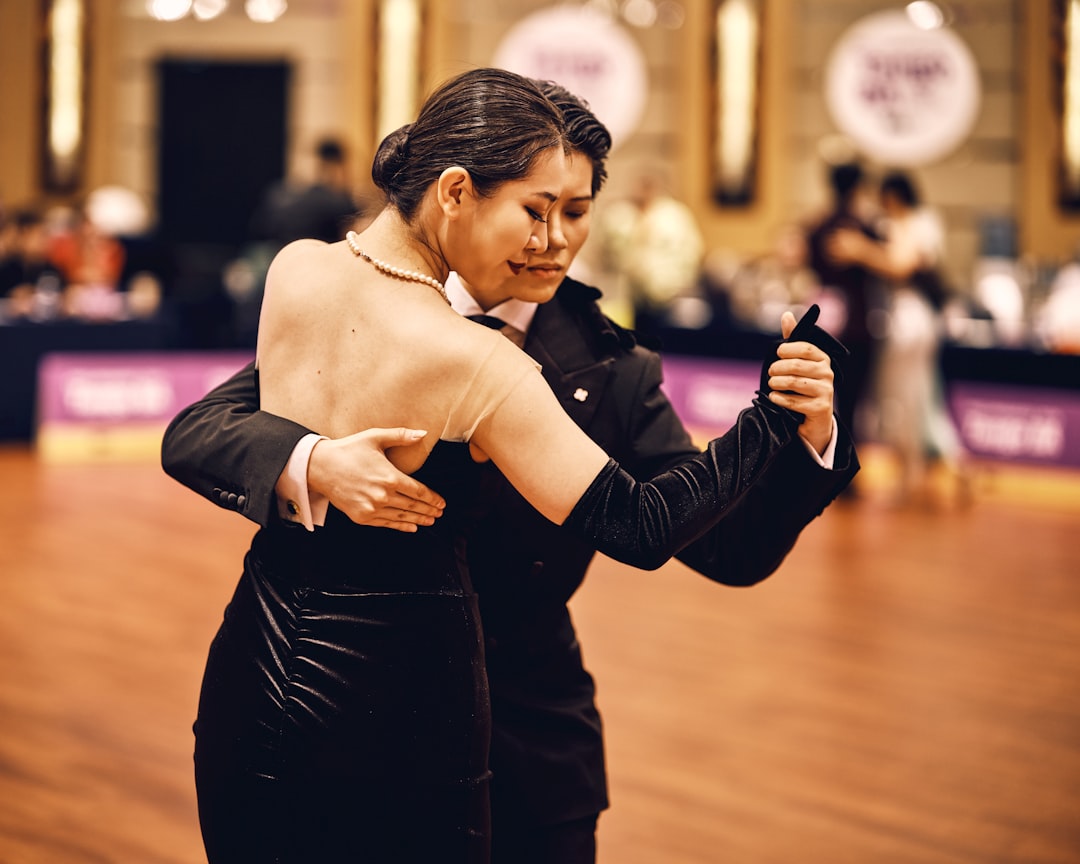
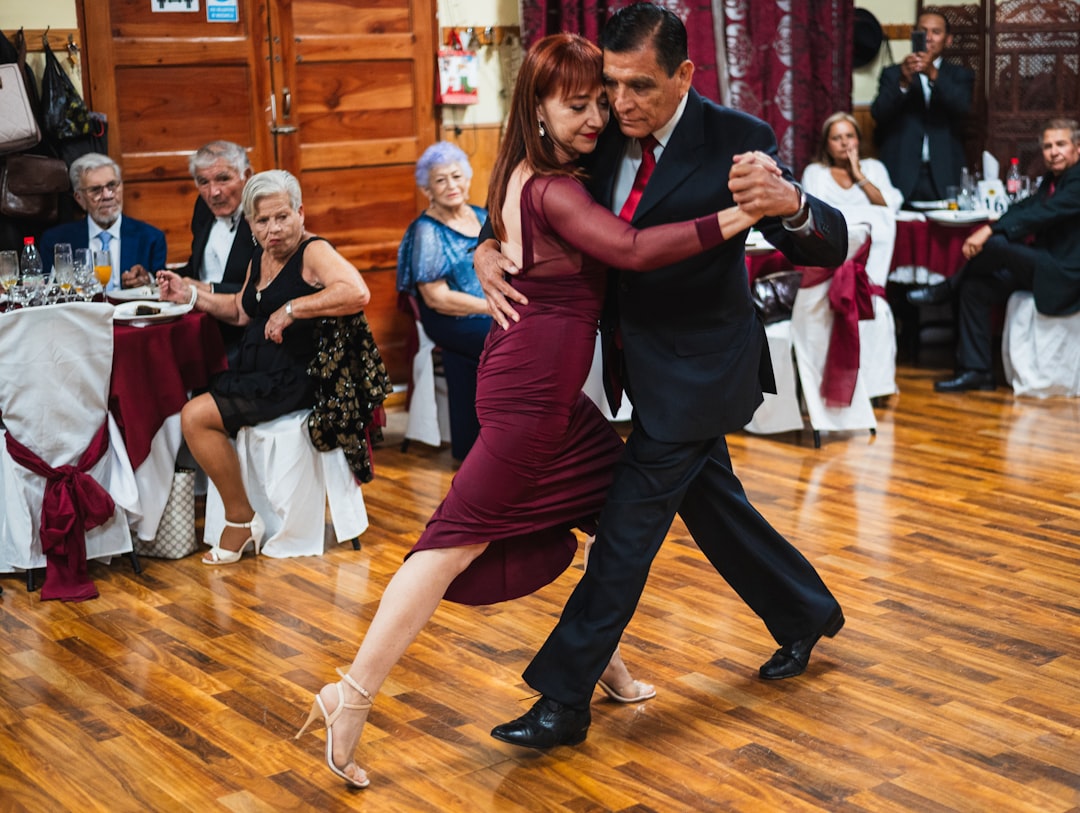
    Kizomba comes from Angola, rooted in semba, and it’s got this deeply connected, walking-style movement that feels almost meditative when you get it right. The music is slow, the rhythm is steady, and you dance in a very close embrace.

    There’s not a ton of footwork complexity at the beginner level. What kizomba does demand is body awareness, sensitivity to your partner, and the ability to completely relax your upper body. That last part trips up almost everyone at first.

    What Even Is Bachata?

    Bachata is Dominican in origin. You’ve probably heard the music — that guitar sound is unmistakable. The basic step is a side-to-side pattern with a hip accent on count four, and beginners pick up the footwork pretty quickly.

    Modern bachata (think sensual bachata popularized by instructors like Korke and Judith) adds body waves, dips, and a lot of upper body movement. Traditional bachata is simpler but still has that hip motion baked in.

    Comparing the Two for Beginners

    Factor Kizomba Bachata
    Basic footwork complexity Low Low-Medium
    Hip movement required Minimal Yes (count 4 accent)
    Body connection learning curve High Medium
    Music tempo Slow Medium
    Solo practice potential Low Medium
    Social dance scene (US) Growing Very strong
    Time to feel comfortable 3-6 months 2-4 months
    Physical space needed Very little Moderate

    The Case for Kizomba Being Easier

    The slow tempo is genuinely helpful. You have more time to think, more time to feel what your partner is doing, and less pressure to keep up with fast footwork combinations.

    The basic step is essentially walking. Left, right, pause. That’s not an exaggeration. A beginner can learn the ginga (that subtle rocking foundation) in a single class and not feel completely lost.

    For leads especially, kizomba teaches you to communicate through your torso rather than your arms. That’s actually a more sophisticated skill — but the entry point is simple. You’re not trying to spin someone on beat two while keeping your footwork clean. You’re just… walking together.

    The Case for Bachata Being Easier

    The music is everywhere. YouTube, Spotify, the coffee shop you went to last Tuesday. That familiarity helps your brain lock onto the rhythm faster.

    The footwork pattern clicks quickly for most people — side-step, side-step, tap — and once you have it, you have a foundation you can actually build on. You can practice it alone in your kitchen. Try doing that with kizomba and you’ll look like you’re walking in slow motion to nothing.

    Bachata classes are also everywhere in most US cities. More class options means more chances to get reps in, more socials to attend, and more partners to dance with. That frequency of practice makes a huge difference in how fast you improve.

    The Real Difference Nobody Talks About

    Kizomba is harder to fake.

    In bachata, you can be doing decent footwork, hitting the hip accent on four, and look pretty good even if your connection with your partner is mediocre. The steps carry you.

    In kizomba, if your frame is stiff, if you’re thinking too hard, or if you’re not actually listening to your partner’s body — it falls apart immediately. The dance exposes tension. It exposes overthinking. There’s nowhere to hide.

    That’s not a reason to avoid it. But it does mean the beginner experience feels different. Bachata beginners often leave their first few classes feeling like they got something. Kizomba beginners sometimes leave feeling weirdly exposed or frustrated, even though the steps were “easy.”

    Shoes — Does It Matter Which Dance You Start With?

    Yes, actually. The floors are different, your movement style is different, and your shoes should support that.

    For bachata, you want a heel with a suede sole, decent ankle support, and something that lets you pivot cleanly. The Very Fine Dance Shoes Salsa Bachata Model is a solid starting point that doesn’t break the bank.

    For kizomba, you want something with a lower profile, softer sole, and a close fit — you need to feel the floor. A lot of kizomba dancers love the Capezio Ballroom Shoe for exactly that reason. The Freed of London Practice Shoe also gets recommended constantly in kizomba communities.

    If you’re not sure which dance you’re committing to yet, grab a general Latin dance shoe with a suede sole and call it good for now. The Diamant Latin Dance Shoe works across both styles at the beginner level.

    What Type of Learner Are You?

    Here’s a quick gut-check:

    Pick bachata if:
    – You like clear, countable steps
    – You want a huge social scene to practice in
    – You enjoy music you already recognize
    – You want to feel progress quickly
    – You’re comfortable with hip movement (or want to develop it)

    Pick kizomba if:
    – You prefer slow, intentional movement
    – You’re drawn to deep partner connection over flashy footwork
    – You’re okay with a longer “feels awkward” phase before it clicks
    – You like music with a hypnotic, groove-heavy feel
    – You’ve struggled with fast rhythms in other dance styles

    Can You Learn Both at Once?

    Technically yes. Practically — probably not ideal in your first three months. Both dances require you to build body awareness and connection skills, but they pull you in slightly different directions. Bachata wants you moving laterally with hip accents. Kizomba wants you walking forward with a melted frame.

    Pick one, get your feet under you (literally), and then add the other. Most dancers who do both say kizomba actually improved their bachata connection, and bachata improved their musicality for kizomba. They complement each other nicely once you have the basics.

    Final Take

    If I had to give a straight answer to a brand new dancer standing in front of me — I’d probably say start with bachata. The music is accessible, the class scene is robust, and you’ll feel like you’re dancing sooner. That early win matters for staying motivated.

    But if you’re someone who already loves the idea of slow, intimate, deeply connected movement? Don’t let anyone talk you out of kizomba. The learning curve is real, but the payoff is its own thing entirely.

    Either way, get some proper shoes, find a good instructor, and show up consistently. That’s what actually separates people who can dance from people who tried once and gave up.

  • Best YouTube Channels to Learn Salsa for Free

    Best YouTube Channels to Learn Salsa for Free

    This post contains affiliate links. If you buy through our links, we may earn a small commission at no extra cost to you.

    Let’s be real – not everyone can drop $20-30 per class at a studio, especially when you’re just starting out. I’ve been dancing salsa in San Diego for over a decade, and honestly, some of my best moves came from YouTube sessions in my living room at 2 AM. The quality of free salsa instruction online has gotten incredible over the years.

    Here are the channels that actually taught me something, not just the ones with flashy thumbnails.

    SalsaWithSilvia

    Silvia is hands down my favorite online instructor. She breaks down everything from basic steps to complex patterns in a way that actually makes sense. Her explanations are clear, she demonstrates both leader and follower parts, and she doesn’t assume you already know a bunch of terminology.

    What I love most is that she focuses on technique, not just memorizing steps. She’ll spend time explaining weight shifts and body movement – the stuff that makes the difference between looking awkward and looking smooth.

    Passion4Dancing

    These guys have been around forever and for good reason. Their beginner series is solid gold if you’re starting from scratch. They teach on1 timing, which is what most people dance in social settings, and their progression makes sense.

    The production quality is professional but not sterile. You can tell they’re actual dancers who teach, not just YouTubers trying to cash in on dance content.

    DancePapi

    If you want to add some flavor to your basics, DancePapi is your guy. His channel focuses a lot on styling and musicality – how to actually dance to the music instead of just executing patterns. He’s got great content for both leaders and followers.

    Fair warning though – he moves pretty fast, so you’ll want to have your basics down before diving into his more advanced stuff.

    Salsa y Control

    This channel is perfect if you’re ready to level up your partnerwork. They focus heavily on connection and leading/following technique. The instruction is in Spanish with English subtitles, but honestly, you can follow along just by watching.

    Their content skews more intermediate to advanced, but their approach to teaching connection is something I wish I’d learned years earlier.

    Leon and Kim

    These two have great chemistry and teach really practical social dancing. They focus on moves you’ll actually use in a club or social setting, not competition choreography that looks cool but isn’t practical.

    Their beginner content is especially good because they teach you how to recover when things go wrong – and trust me, things will go wrong when you’re learning.

    YouTube Channel Comparison

    Channel Best For Skill Level Teaching Style Specialty
    SalsaWithSilvia Technique & Basics Beginner-Intermediate Clear, methodical Proper form & timing
    Passion4Dancing Complete beginners Beginner Structured, professional On1 fundamentals
    DancePapi Adding style Intermediate+ Energetic, musical Styling & musicality
    Salsa y Control Connection Intermediate-Advanced Technical, detailed Leading/following
    Leon and Kim Social dancing Beginner-Intermediate Practical, friendly Real-world application

    Getting the Most Out of YouTube Learning

    Here’s what I learned the hard way: don’t channel hop too much. Pick one instructor and stick with their system for a while. Each teacher has their own way of breaking things down, and jumping around will just confuse you.

    Also, film yourself. I know it’s cringeworthy, but you can’t see what you’re doing wrong when you’re focused on following along. Set up your phone and record a few minutes of practice – you’ll spot issues you never noticed.

    And please, for the love of all that’s holy, learn to dance to actual salsa music, not just the instructional tracks. Most YouTube teachers use slowed-down or simplified music for lessons, but real salsa has breaks, tempo changes, and complex rhythms.

    What You’ll Still Need

    YouTube is amazing, but it can’t replace everything. You’re not going to get personalized feedback on your technique, and you definitely won’t learn to lead or follow properly without actual partners.

    Once you’ve got some basics down from these channels, try to get to at least a few in-person classes or social dances. The muscle memory you build from YouTube will give you a huge head start, and you’ll actually be able to focus on the partnership aspects instead of just trying to remember which foot goes where.

    I still go back to these channels when I want to clean up a move or learn something new. They’re legitimate resources that have made me a better dancer, and the price is definitely right.

    The key is being honest about your level and not trying to rush through everything. Master the basics from these channels, and you’ll have a foundation that will serve you well whether you’re dancing in your living room or at the hottest salsa club in town.

  • Best Online Salsa Lessons for Beginners – Reviewed

    Best Online Salsa Lessons for Beginners – Reviewed

    This post contains affiliate links. If you buy through our links, we may earn a small commission at no extra cost to you.

    Let me be honest with you – I was skeptical about online salsa lessons when they first became popular. Nothing beats having an instructor physically adjust your posture or feeling the connection with a real partner. But after teaching beginners for years in San Diego, I’ve watched students make incredible progress with online programs, especially when they use them as a foundation before hitting the dance floor.

    The pandemic pushed many of us to try digital learning, and some platforms really nailed it. I’ve personally tested the most popular options and talked to dozens of my students about their experiences. Here’s what actually works for beginners.

    What Makes a Good Online Salsa Program

    Before diving into specific platforms, let’s talk about what separates great online salsa instruction from mediocre YouTube videos. Good programs break down movements into digestible chunks, show multiple angles, and progress logically from basic steps to more complex patterns.

    You want clear audio that lets you feel the music, instructors who explain the “why” behind movements, and lessons that acknowledge you’re learning without a partner initially. The best programs also include cultural context – salsa isn’t just steps, it’s expression and connection to the music.

    Top Online Salsa Platforms Reviewed

    Salsa Vida Online Dance Academy

    This platform consistently gets rave reviews from my beginner students. Created by professional dancers, it offers structured courses that feel like having a private lesson in your living room. The instructors break down basic steps clearly and include helpful tips about timing and body movement.

    Pros:
    – Excellent video quality with multiple camera angles
    – Progressive curriculum that builds skills logically
    – Includes both On1 and On2 styles
    – Monthly live Q&A sessions with instructors

    Cons:
    – Monthly subscription can add up over time
    – Limited free content to preview
    – Focuses heavily on LA-style salsa

    Best for: Complete beginners who want structured learning

    Addicted2Salsa Premium

    Joel Dominguez brings serious credentials to this platform. His teaching style is clear and encouraging, perfect for nervous beginners. The site offers both free and premium content, so you can test the waters before committing.

    Pros:
    – Tons of free content to get started
    – Joel’s teaching style is very beginner-friendly
    – Good mix of technique and styling
    – Affordable premium membership

    Cons:
    – Video quality varies across lessons
    – Website interface feels dated
    – Limited partner work instruction

    Best for: Beginners on a budget who want to start free

    CLI Studios Salsa Classes

    Originally known for hip-hop, CLI Studios has expanded into Latin dance with some impressive instructors. Their production value is top-notch, and they bring in guest teachers from around the world.

    Pros:
    – Professional video production
    – Variety of instructor styles
    – Mobile app works great
    – Regular new content

    Cons:
    – More expensive than competitors
    – Can feel overwhelming for absolute beginners
    – Less focus on cultural context

    Best for: Visual learners who want high production value

    STEEZY Studio Latin Dance

    STEEZY revolutionized online dance learning with their unique teaching method. You can slow down videos, loop sections, and even practice with the music turned off – perfect for beginners who need repetition.

    Pros:
    – Innovative learning tools (slow motion, looping)
    – Clean, modern interface
    – Great mobile experience
    – Strong community features

    Cons:
    – Limited salsa content compared to other dance styles
    – No live interaction with instructors
    – Focuses more on performance than social dancing

    Best for: Tech-savvy beginners who like interactive learning tools

    Comparison Table

    Platform Monthly Price Free Content Video Quality Beginner Focus Best Feature
    Salsa Vida $29.99 Limited Excellent High Live Q&A sessions
    Addicted2Salsa $19.99 Extensive Good Very High Free trial content
    CLI Studios $39.99 Some Excellent Medium Production quality
    STEEZY Studio $19.99 Yes Excellent Medium Interactive tools

    Making the Most of Online Lessons

    Here’s what I tell my students about maximizing online learning: start with basic timing and footwork, but don’t get stuck there forever. Practice in front of a mirror to check your posture and arm positioning. Most importantly, plan to take your skills to a real dance floor within a few weeks.

    Online lessons work best when combined with social dancing. Use them to build confidence and learn basic patterns, then find a local class or social dance to practice with real partners. The muscle memory you develop online will serve you well, but salsa is ultimately about connection and improvisation with another person.

    Record yourself dancing occasionally – it’s humbling but incredibly helpful for spotting issues with timing or posture that you might miss otherwise.

    What to Expect as a Beginner

    Don’t expect to look like the instructors after a few lessons. Salsa has a learning curve, and everyone progresses differently. Some students pick up footwork quickly but struggle with rhythm, others nail the timing but feel awkward with arm styling.

    Give yourself at least a month of consistent practice before judging your progress. Most platforms recommend 15-20 minutes of daily practice, which honestly works better than cramming hour-long sessions once a week.

    Final Thoughts

    Online salsa lessons have come a long way, and they’re genuinely useful for beginners who want to build confidence before stepping into a class. Addicted2Salsa remains my top recommendation for absolute beginners because of the extensive free content and Joel’s encouraging teaching style.

    But remember – these platforms are tools to get you started, not destinations. Salsa is about joy, connection, and community. Use online lessons to build your foundation, then get out there and dance with real people. That’s where the magic happens.

    The San Diego salsa scene is waiting for you, and trust me, having some basic steps under your belt before you arrive will make your first social dance so much more enjoyable.