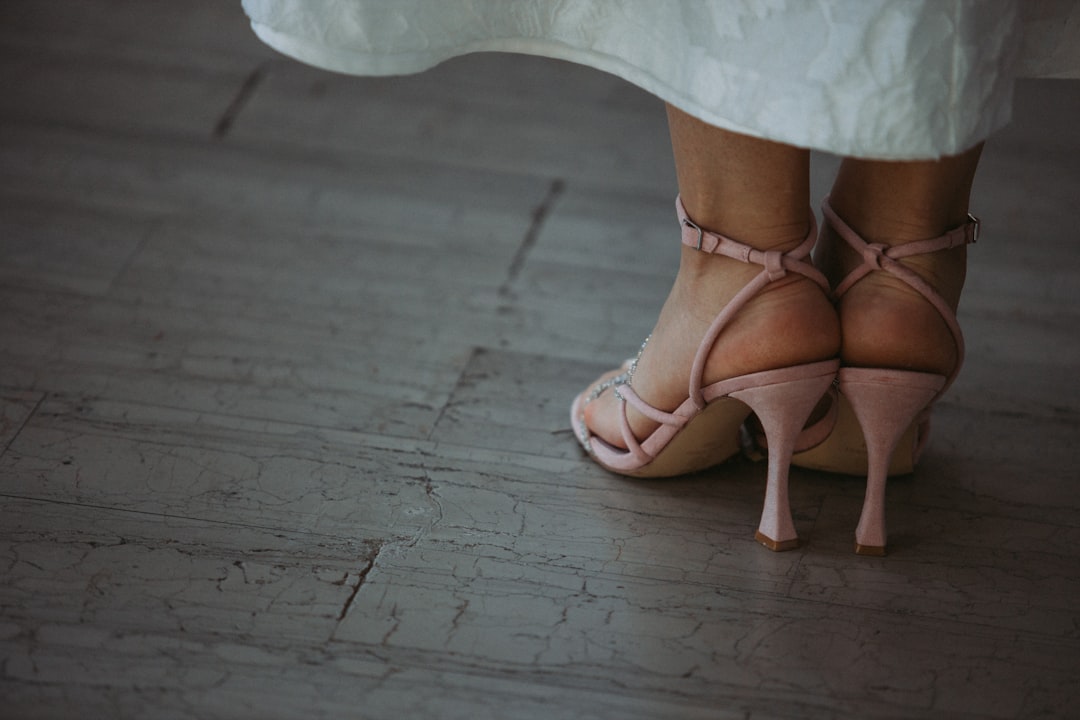
Vivaz vs Burju dance shoes — an honest comparison of fit, quality, sole, and value. Which brand is right for your dancing? Here’s the real answer.
If you’ve spent more than 15 minutes researching salsa or bachata shoes, you’ve already run into both of these brands. Vivaz and Burju dominate the conversation in the Latin dance community — and for good reason. They’re both legit. But they’re not the same shoe, they’re not for the same dancer, and buying the wrong one is an expensive mistake.
I’ve seen both brands worn on dance floors from Tuesday night socials to full-on congress weekends. I’ve watched beginners wobble in the wrong heel height and experienced dancers light up when a shoe finally fits the way it should. So let me give you the actual breakdown — no fluff, no “both are great in their own way” cop-outs.
The Short Version (If You’re in a Hurry)
Buy Vivaz if: You want a wider variety of styles, slightly more budget-friendly options, and a shoe built with the social dance floor in mind.
Buy Burju if: You want premium construction, a sleeker look, and you’re willing to invest more in a shoe that performs at a higher level.
Now here’s why.
Brand Background
Vivaz is a dance shoe brand that’s become a go-to in the Latin social dance world. Their shoes are designed specifically for salsa, bachata, and kizomba — not ballet, not ballroom, not “multi-use.” That focus shows. They offer a solid range of heel heights, toe styles, and widths, and their price point is generally more accessible than Burju.
Burju is a premium Latin dance shoe brand that’s carved out a reputation for quality construction and aesthetics that hold up both on and off the dance floor. Burju shoes look sharp. The materials feel more refined, the finishes are more consistent, and they’ve built a loyal following among dancers who’ve tried cheaper options and decided they’re done compromising.
Both brands are women-first in terms of catalog size, but both have men’s options worth knowing about.
Fit and Sizing — This Is Where It Gets Real
This is the part most comparison articles skip, and it’s arguably the most important thing to talk about.
Vivaz tends to run slightly narrow in some models. If you have a wider forefoot, you’ll want to size up or look specifically at their wider-cut styles. Their sizing is generally consistent with standard US sizing, but check the individual product page — some styles have specific fit notes. The strap placement on most Vivaz heels is solid and keeps your foot secure without cutting in during spins.
Burju fits a bit differently depending on the style. Their closed-toe pumps tend to run true to size. Their strappy open-toe styles can run slightly small, so going half a size up is a common recommendation in the dance community. Burju shoes also tend to have a more structured fit — there’s less “break-in” slop, which is either great or uncomfortable depending on your foot shape.
Bottom line on fit: If you’re between sizes or have a wider foot, Vivaz is probably more forgiving. If you have a narrow-to-medium foot and want a snug, precise fit right out of the box, Burju is excellent.
Sole Construction — Because Spinning Matters
Here’s something non-dancers don’t think about and dancers obsess over: the sole.
Social dance shoes need a sole that lets you spin without your foot sticking (sticky rubber = painful ankle) but also gives you enough grip that you’re not hydroplaning across a slippery floor. It’s a balance.
Vivaz uses a suede or suede-split sole on most of their dance-specific styles. This is the gold standard for indoor dance floors — it slides when you want it to, grips when you need it, and doesn’t destroy the floor surface. Their sole is generally medium thickness, which gives decent feedback through the foot.
Burju also uses suede soles on their dance shoes, and the quality here is noticeably consistent. The suede feels a bit denser on some Burju models, which some dancers prefer for more controlled movement. A few Burju styles use a chrome-leather split sole that’s worth noting if you’re particular about sole feel.
For spinning specifically, both brands perform well. Neither is going to let you down if you’re doing basic turns at a social. Where Burju might edge ahead is for dancers doing more advanced footwork — the slightly firmer sole construction can give better floor feedback.
Price Comparison
Let’s talk money.
VivazBurjuEntry-level heels~$65–$85~$85–$105Mid-range styles~$85–$110~$105–$130Premium styles~$110–$130~$130–$160+Men’s shoes~$70–$100~$90–$120
Vivaz is consistently more affordable by about $20–$30 per comparable style. For a beginner who isn’t sure how serious they’re going to get about dancing, that price gap matters. For someone who already knows they’ll be dancing twice a week for the next three years, the Burju investment makes more sense.
Style Selection
Vivaz has a broader catalog. More heel heights, more strap configurations, more color options. If you want a very specific look — say, a nude heel with ankle strap at 2.5 inches — Vivaz probably has it. Their collection updates regularly and they tend to stock a wider range of sizes.
Burju has a tighter, more curated collection. What they make, they make well. But you may not find the exact spec you’re looking for if you have very specific requirements. Their aesthetic skews slightly more classic and refined — less flashy, more elegant.
Specific Models Worth Knowing
Vivaz Picks:
Vivaz Destiny — One of their most popular women’s heels. 2.5″ heel, ankle strap, available in multiple colors. Great beginner-to-intermediate option. (Check price on Amazon →)
Vivaz Prince (Men’s) — Clean, low-profile men’s shoe with suede sole. Comfortable for long social nights. (Check price on Amazon →)
Burju Picks:
Burju Luna — A sleek strappy sandal that performs as good as it looks. The suede sole is excellent and the fit is true-to-size. This is the shoe you bring to a congress. (Check price on Burju.com →)
Burju Classic (Men’s) — Well-constructed men’s dance shoe with a clean silhouette. The leather upper breaks in nicely over the first few wears. (Check price on Burju.com →)
Who Should Buy Vivaz?
Beginners who are still figuring out their style and don’t want to overspend
Dancers with wider feet who need more sizing flexibility
Anyone who wants more color and style options
Dancers on a budget who still want a real dance shoe (not a fashion shoe pretending to be one)
Who Should Buy Burju?
Intermediate to advanced dancers who’ve already outgrown budget shoes
Dancers who care about aesthetics as much as performance
Anyone who wants a shoe that looks great at a congress, not just a Tuesday night social
Narrow-to-medium foot owners who want a precise, snug fit
The Verdict
Both brands are the real deal. This isn’t a situation where one is clearly better — it’s a question of who you are as a dancer right now.
If you’re new to Latin dance and you’re still deciding whether this is going to be a hobby or a lifestyle, start with Vivaz. You’ll get a quality dance shoe, the suede sole will change your life compared to regular sneakers, and you won’t feel sick if you outgrow the style in a year.
If you’ve been dancing long enough to know this isn’t a phase, and you want a shoe that reflects that — buy Burju. You’ll feel the difference on the floor and you’ll stop second-guessing your footwear.
Either way, stop dancing in regular shoes. Your knees and your partners will thank you.
Have you danced in both? Drop your experience in the comments — I’m always curious to hear what other dancers think.
Leave a Reply