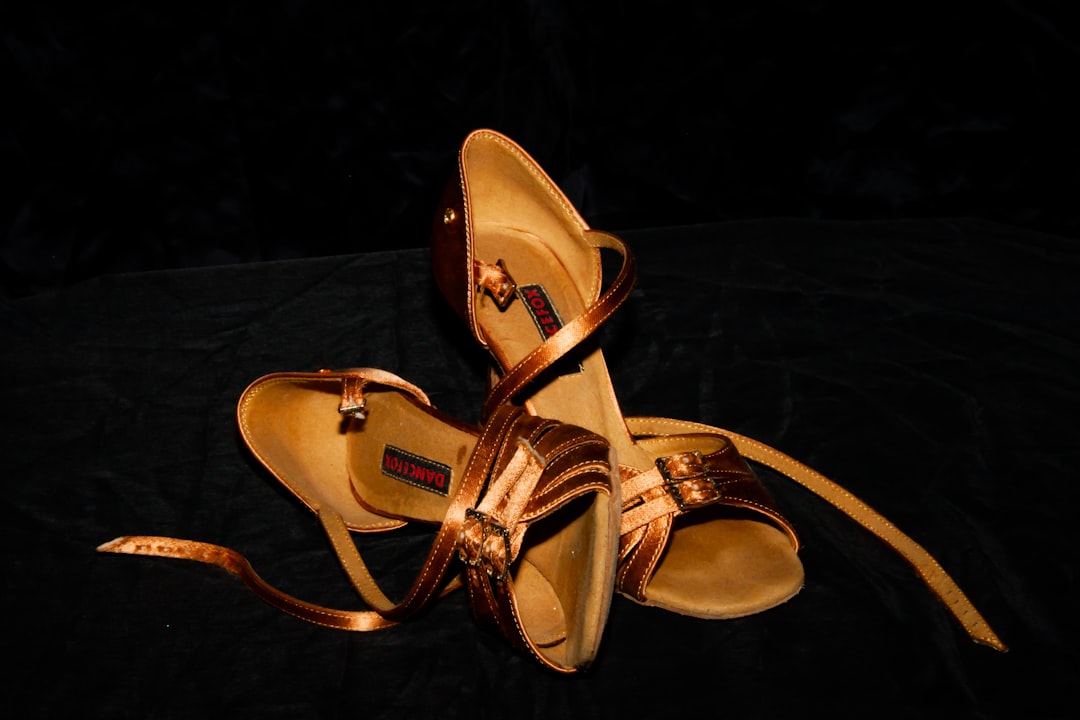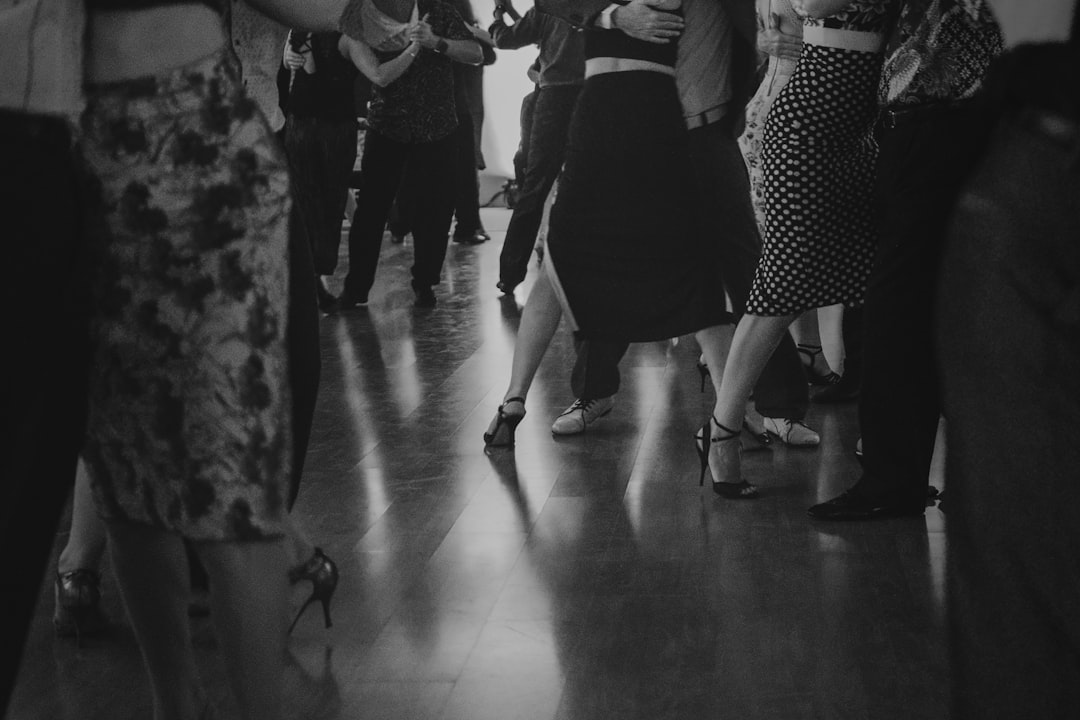
• Best Dance Shoes for Hardwood vs Tile Floors – Does It Matter

    Best Dance Shoes for Hardwood vs Tile Floors – Does It Matter

    This post contains affiliate links. If you buy through our links, we may earn a small commission at no extra cost to you.

    After fifteen years of dancing salsa across San Diego’s diverse venues – from the polished hardwood at Copa Havana to the slick tile floors at Sevilla Nightclub – I can tell you that your floor surface absolutely matters when choosing dance shoes. The difference between the right and wrong sole can mean the difference between smooth, confident movements and awkward slips or sticky stops.

    Why Floor Type Changes Everything

    Different floor surfaces create vastly different friction levels with your shoe soles. Hardwood floors typically offer more grip and predictable traction, while tile floors can range from grippy to ice-rink slippery depending on their finish and what’s been spilled on them throughout the night.

    I learned this lesson the hard way during a bachata social at a venue with ultra-smooth ceramic tiles. My suede-soled dance shoes, perfect for hardwood, became like ice skates. Every pivot turned into a potential ankle-twister.

    Hardwood Floors: The Dancer’s Best Friend

    Hardwood floors are the gold standard for Latin dancing. They offer consistent grip, some give under pressure, and work beautifully with most dance shoe soles. For hardwood venues, you have more flexibility in your shoe choices:

    Best sole options for hardwood:
    – Suede soles (the classic choice)
    – Chrome leather soles
    – Split-sole designs with both suede and leather sections

    The Capezio Suede Sole FootUndeez work wonderfully on hardwood, giving you that perfect balance of grip and slide. For a more traditional look, Bloch Dance Now Jazz Shoes offer excellent hardwood performance with their split-sole design.

    Tile Floors: The Tricky Territory

    Tile floors are where shoe selection becomes critical. Too much grip and you’ll stick to the floor awkwardly. Too little and you’re sliding into other dancers. The key is finding that sweet spot.

    For slippery tile floors:
    – Rubber soles with good tread
    – Textured leather soles
    – Shoes with toe and heel taps for controlled grip points

    For grippy tile floors:
    – Smooth chrome leather soles
    – Well-worn suede (not fresh suede)
    – Shoes designed specifically for smooth surfaces

    Surface-Specific Shoe Recommendations

    Here’s my breakdown of the best shoes for each surface type:

    Surface Type Best Shoe Option Why It Works Price Range
    Smooth Hardwood Supadance Latin Shoes Suede sole provides perfect grip-to-slip ratio $150-200
    Rough Hardwood International Dance Shoes Chrome leather adapts well to textured surfaces $120-180
    Slippery Tile Very Fine Dance Shoes with Rubber Sole Rubber provides necessary grip without sticking $80-120
    Grippy Tile Ray Rose Smooth Sole Ballroom Shoes Ultra-smooth sole prevents over-gripping $200-250
    Mixed Surfaces Capezio Social Dance Shoes Versatile sole works reasonably well everywhere $90-130

    The Reality Check: Most Venues Are Mixed

    Here’s the truth most dance articles won’t tell you – most venues aren’t uniform. The bar area might be tile, the main dance floor hardwood, and the edges something else entirely. I’ve danced at places where the floor changes material three times between the entrance and the dance floor.

    For these mixed-surface venues, I recommend shoes that err on the side of caution. A chrome leather sole or a shoe with removable sole protectors gives you options. The Dance Paws Foot Thongs are actually fantastic for this – you can slip them on over regular shoes to adapt to different surfaces throughout the night.

    Pro Tips From the Dance Floor

    Break in suede gradually: New suede soles can be overly grippy even on hardwood. Dance on them for a few sessions before hitting a big social.

    Carry sole brushes: A small wire brush can refresh suede soles between dances, removing debris that affects grip.

    Test the floor first: Always do a few test moves when you arrive at a new venue. Every floor has its personality.

    Consider the crowd: Packed floors with lots of spilled drinks change the surface dynamics completely.

    When One Shoe Doesn’t Fit All

    I keep two pairs in my dance bag – suede-soled for most venues and rubber-soled for those notoriously slippery spots. It sounds excessive, but after watching dancers struggle all night with the wrong shoes, the investment makes sense.

    Some venues in San Diego are famous for their challenging floors. Rumor has it that one popular spot downtown waxes their tile floors so thoroughly that even experienced dancers look like beginners trying to navigate the surface.

    The bottom line? Your floor surface absolutely matters, but don’t overthink it. Start with one good pair suited to where you dance most often, then expand your collection as you discover the quirks of different venues. Your ankles – and your dance partners – will thank you.

  • Can You Wear Regular Heels to Salsa Dance – What Instructors Actually Say

    Can You Wear Regular Heels to Salsa Dance – What Instructors Actually Say

    This post contains affiliate links. If you buy through our links, we may earn a small commission at no extra cost to you.

    I get this question at least twice a week from new students: “Can I just wear my regular heels to salsa class?” The short answer is yes, you can wear regular heels to salsa dance. But should you? That’s where things get interesting, and honestly, most instructors have some strong opinions about it.

    After dancing salsa in San Diego for over eight years and teaching beginners, I’ve seen everything from stilettos to sneakers on the dance floor. Let me break down what actually happens when you show up in street heels versus proper dance shoes.

    What Instructors Really Think About Regular Heels

    Most salsa instructors won’t stop you from wearing regular heels to class, but they’ll definitely notice. Maria, who teaches at one of the popular studios downtown, puts it this way: “I can spot a dancer in street heels from across the room. They’re usually the ones gripping the floor with their toes and looking uncertain during spins.”

    The main concerns instructors have aren’t about looking “proper” – they’re about safety and progress. Regular heels create specific challenges that can hold back your learning:

    Pivoting becomes a struggle because street shoe soles grip too much
    Balance issues from shoes not designed for lateral movement
    Foot fatigue sets in faster due to poor weight distribution
    Ankle injuries become more likely during quick direction changes

    That said, every instructor I know started somewhere, and most are incredibly supportive of beginners figuring things out.

    The Key Differences: Street Heels vs Dance Heels

    Here’s what makes dance heels actually different from your favorite going-out shoes:

    Sole Material: Dance shoes have suede or leather soles that allow controlled sliding. Your regular heels probably have rubber soles that stick to the floor like glue.

    Heel Placement: Dance heels are positioned directly under your heel bone for better balance. Fashion heels often place the heel slightly forward, which throws off your center of gravity.

    Flexibility: Dance shoes bend with your foot. Street heels are typically stiffer and fight against natural foot movement.

    Ankle Support: Proper dance shoes provide support without restricting the ankle mobility you need for salsa’s quick movements.

    When Regular Heels Might Work

    Look, I’m not going to pretend you need to drop $200 on dance shoes for your first class. Some regular heels can work temporarily:

    Good options for beginners:
    – Low block heels (2-3 inches max)
    – Leather or suede soles
    – Secure ankle straps
    – Flexible construction

    Heels to avoid at all costs:
    – Stilettos or very thin heels
    – Platform shoes
    – Anything over 3.5 inches
    – Shoes with rubber soles
    – Loose-fitting heels

    I’ve seen beginners do just fine in simple leather-soled block heels while they decided if salsa was for them. But once you’re hooked (and you will be), you’ll want proper dance shoes.

    What Happens When You Dance in Street Heels

    Let me paint you a picture of what typically happens. You show up to your first class in your cute black pumps. The first few basic steps feel okay, maybe a little sticky. Then the instructor introduces cross-body leads with a spin, and suddenly you’re fighting your shoes instead of flowing with the music.

    Your rubber soles catch on the floor mid-spin. You have to lift your feet higher than necessary. Your calves start burning after 20 minutes because you’re working against your shoes. By the end of class, your feet hurt and you feel less confident than you should.

    Compare that to the dancer next to you in proper Capezio FootUndeez dance shoes. She’s gliding through spins, staying on beat, and looking effortless. The difference is night and day.

    Making Street Heels More Dance-Friendly

    If you’re determined to use regular heels while you shop for proper dance shoes, here are some tricks that can help:

    Sole Solutions: Visit a cobbler and ask them to add a suede sole or roughen up smooth leather with sandpaper. This isn’t perfect, but it helps with pivoting.

    Heel Grips: Add cushioned heel grips to prevent sliding and improve comfort during long sessions.

    Toe Pads: Gel toe pads can help with weight distribution and reduce pressure on the balls of your feet.

    Breaking Them In: Wear your heels around the house to identify any pressure points before hitting the dance floor.

    Recommended Dance Shoes for Salsa Beginners

    Shoe Best For Price Range Key Features
    Capezio FootUndeez Beginners wanting versatility $45-65 Foot-hugging fit, suede sole, flexible
    Bloch Dance Sneakers Studio and social dancing $60-85 Split sole, supportive, durable
    Very Fine Dance Shoes Traditional ballroom/Latin look $75-120 Classic styling, multiple heel heights
    Supadance Latin Shoes Serious dancers $150-250 Professional quality, excellent support

    The Bottom Line

    You can absolutely start learning salsa in regular heels, and no instructor worth their salt will make you feel bad about it. But understand that you’re making things harder for yourself. It’s like learning to drive in a car with wonky steering – possible, but not ideal.

    If you’re just trying salsa for the first time, wear whatever comfortable heels you have and see how you feel. But if you find yourself coming back (which you probably will, because salsa is addictive), invest in proper dance shoes within your first month. Your feet, your confidence, and your dance partners will thank you.

    The goal isn’t to look like a professional on day one. It’s to feel comfortable, safe, and free to express yourself through movement. Sometimes that means starting in street heels, and that’s perfectly fine. Just know that when you’re ready to level up, proper dance shoes will transform your experience on the floor.

  • How to Find Salsa Nights Near You – A City by City Guide

    How to Find Salsa Nights Near You – A City by City Guide

    This post contains affiliate links. If you buy through our links, we may earn a small commission at no extra cost to you.

    Let me tell you something – there’s nothing quite like walking into a room full of people moving to those infectious Latin rhythms. After years of dancing salsa across San Diego and beyond, I’ve learned that every city has its own salsa heartbeat. You just need to know where to find it.

    Whether you’re new to town or just discovering salsa, finding those magical Wednesday night spots or weekend social dances can feel overwhelming. But trust me, once you crack the code, you’ll have more dance options than nights in the week.

    Start with the Universal Search Methods

    Before diving into specific cities, let’s talk about the strategies that work everywhere. Facebook has become the salsa dancer’s best friend – search for “[Your City] Salsa” or “Salsa Dancing [Your City]” and you’ll find groups bursting with event announcements. I check my local groups religiously because that’s where people post last-minute venue changes or special events.

    Instagram is equally powerful. Follow local dance studios, DJs, and performers. They’re constantly sharing stories about upcoming events, and the algorithm will start showing you related content from your area.

    Don’t overlook Meetup.com either. Many cities have active salsa meetup groups that welcome dancers of all levels. These groups often organize beginner-friendly events and social dances.

    Major Salsa Cities – Where the Magic Happens

    New York City

    NYC is salsa heaven, plain and simple. You could dance every single night here. Start with the legendary Copacabana in Times Square for their Friday night socials. Taj Lounge in the Flatiron District hosts excellent events throughout the week. For a more underground vibe, check out La Nacional on 14th Street.

    The secret in NYC is following the promoters – people like Jimmy Anton and Eddie Torres Jr. constantly organize events at different venues. Join their mailing lists and you’ll never miss a party.

    Los Angeles

    LA’s salsa scene spans from Hollywood to East LA, each area with its own flavor. El Floridita in Hollywood is a classic spot with great live bands on weekends. For something more intimate, try Sevilla in Long Beach or the various events at The Granada in the San Fernando Valley.

    The key in LA is understanding the geography – traffic can kill your dance night plans. Find venues close to your area first, then branch out.

    Miami

    Miami practically invented the modern salsa scene. Ball & Chain in Little Havana brings the authentic Cuban vibe with live music. Bongos Cuban Cafe offers a more touristy but still fun experience. For serious social dancing, follow the events at various hotels and community centers throughout Miami-Dade.

    San Francisco

    The Bay Area has a surprisingly vibrant salsa community. Cafe Cocomo in the Mission District is legendary for weekend dancing. Check out the regular events at various venues in the Mission and SOMA districts. The scene here tends to be more fusion-friendly, mixing salsa with other Latin styles.

    Chicago

    Chicago’s salsa scene revolves around several key venues. Andalucia in Lakeview hosts regular events, and the Chicago Salsa Congress brings world-class dancing to the city annually. Many events happen in hotel ballrooms and community centers throughout the Chicagoland area.

    Mid-Size Cities with Surprising Scenes

    Don’t assume smaller cities lack salsa options. Places like Austin, Portland, Seattle, and Atlanta have thriving communities. Austin’s scene centers around venues like Sagebrush and various community centers. Portland has a tight-knit community that organizes regular socials and workshops.

    The beauty of mid-size city scenes is their welcoming nature. Everyone knows everyone, making it easier to integrate as a newcomer.

    Essential Apps and Websites

    Beyond social media, several platforms specialize in dance events:

    Eventbrite – Search “salsa” + your city name. Many promoters use Eventbrite for ticketing and announcements.

    Salsa Vida – Their event calendar covers major cities and includes details about skill levels and dress codes.

    Dance Planner – A newer app that aggregates dance events across multiple cities.

    Local dance studio websites – Most studios host or promote social dances beyond their classes.

    What to Look for in Event Listings

    Not all salsa nights are created equal. Here’s what I always check:

    Skill level – Some events cater to beginners, others expect intermediate-plus dancing. Look for keywords like “beginner-friendly” or “all levels welcome.”

    Music style – Pure salsa? Bachata and merengue too? Some venues play more pop-influenced Latin music that serious dancers avoid.

    Age demographics – This varies wildly. Some venues attract the 21-25 crowd, others the 35+ community.

    Cover charge and drink prices – Budget accordingly. Some places have reasonable covers but expensive drinks.

    Building Your Local Network

    Once you find a few venues, focus on becoming a regular somewhere. This is crucial for your growth as a dancer and for enjoying the social aspects of salsa.

    Introduce yourself to instructors and DJs – they’re connected to everything happening in your scene. Many of the best events aren’t heavily advertised; they spread through word of mouth in the community.

    Consider taking a few classes even if you already know how to dance. It’s the fastest way to meet people and learn about upcoming events.

    Red Flags to Avoid

    Some venues market themselves as “salsa nights” but deliver disappointment. Watch out for places that:

    – Play mostly American pop music with occasional Latin songs
    – Have tiny dance floors overwhelmed by tables and chairs
    – Cater primarily to people who just want to drink, not dance
    – Charge excessive covers for what amounts to a regular bar with Latin music

    Trust your instincts – if the energy feels off, it probably is.

    Making the Most of Your First Visit

    Show up early when possible. The dance floor is less crowded, and you can gauge the skill level and vibe before committing to staying. Dress appropriately – when in doubt, business casual works almost everywhere.

    Bring dance shoes if you’re serious about dancing. The right footwear makes an enormous difference on different floor types.

    Most importantly, remember that every salsa community has its own personality. What works in Miami might feel completely different in Seattle. Embrace these differences – they’re part of what makes salsa culture so rich and diverse.

    The perfect salsa night is out there waiting for you. It might take a few tries to find your groove, but once you do, you’ll wonder how you ever spent Friday nights at home. Start with one venue, become a regular, and let the community show you where the real parties happen.

    Search Method Best For Pro Tip
    Facebook Groups Local events, last-minute changes Join multiple groups for your city
    Instagram Visual venue previews, story updates Follow local DJs and instructors
    Meetup.com Beginner-friendly events Great for newcomers to a city
    Eventbrite Ticketed events, workshops Set up alerts for “salsa” in your area
    Studio Websites Regular weekly events Often have the most consistent schedule
  • Best YouTube Channels to Learn Salsa for Free

    Best YouTube Channels to Learn Salsa for Free

    This post contains affiliate links. If you buy through our links, we may earn a small commission at no extra cost to you.

    Let’s be real – not everyone can drop $20-30 per class at a studio, especially when you’re just starting out. I’ve been dancing salsa in San Diego for over a decade, and honestly, some of my best moves came from YouTube sessions in my living room at 2 AM. The quality of free salsa instruction online has gotten incredible over the years.

    Here are the channels that actually taught me something, not just the ones with flashy thumbnails.

    SalsaWithSilvia

    Silvia is hands down my favorite online instructor. She breaks down everything from basic steps to complex patterns in a way that actually makes sense. Her explanations are clear, she demonstrates both leader and follower parts, and she doesn’t assume you already know a bunch of terminology.

    What I love most is that she focuses on technique, not just memorizing steps. She’ll spend time explaining weight shifts and body movement – the stuff that makes the difference between looking awkward and looking smooth.

    Passion4Dancing

    These guys have been around forever and for good reason. Their beginner series is solid gold if you’re starting from scratch. They teach on1 timing, which is what most people dance in social settings, and their progression makes sense.

    The production quality is professional but not sterile. You can tell they’re actual dancers who teach, not just YouTubers trying to cash in on dance content.

    DancePapi

    If you want to add some flavor to your basics, DancePapi is your guy. His channel focuses a lot on styling and musicality – how to actually dance to the music instead of just executing patterns. He’s got great content for both leaders and followers.

    Fair warning though – he moves pretty fast, so you’ll want to have your basics down before diving into his more advanced stuff.

    Salsa y Control

    This channel is perfect if you’re ready to level up your partnerwork. They focus heavily on connection and leading/following technique. The instruction is in Spanish with English subtitles, but honestly, you can follow along just by watching.

    Their content skews more intermediate to advanced, but their approach to teaching connection is something I wish I’d learned years earlier.

    Leon and Kim

    These two have great chemistry and teach really practical social dancing. They focus on moves you’ll actually use in a club or social setting, not competition choreography that looks cool but isn’t practical.

    Their beginner content is especially good because they teach you how to recover when things go wrong – and trust me, things will go wrong when you’re learning.

    YouTube Channel Comparison

    Channel Best For Skill Level Teaching Style Specialty
    SalsaWithSilvia Technique & Basics Beginner-Intermediate Clear, methodical Proper form & timing
    Passion4Dancing Complete beginners Beginner Structured, professional On1 fundamentals
    DancePapi Adding style Intermediate+ Energetic, musical Styling & musicality
    Salsa y Control Connection Intermediate-Advanced Technical, detailed Leading/following
    Leon and Kim Social dancing Beginner-Intermediate Practical, friendly Real-world application

    Getting the Most Out of YouTube Learning

    Here’s what I learned the hard way: don’t channel hop too much. Pick one instructor and stick with their system for a while. Each teacher has their own way of breaking things down, and jumping around will just confuse you.

    Also, film yourself. I know it’s cringeworthy, but you can’t see what you’re doing wrong when you’re focused on following along. Set up your phone and record a few minutes of practice – you’ll spot issues you never noticed.

    And please, for the love of all that’s holy, learn to dance to actual salsa music, not just the instructional tracks. Most YouTube teachers use slowed-down or simplified music for lessons, but real salsa has breaks, tempo changes, and complex rhythms.

    What You’ll Still Need

    YouTube is amazing, but it can’t replace everything. You’re not going to get personalized feedback on your technique, and you definitely won’t learn to lead or follow properly without actual partners.

    Once you’ve got some basics down from these channels, try to get to at least a few in-person classes or social dances. The muscle memory you build from YouTube will give you a huge head start, and you’ll actually be able to focus on the partnership aspects instead of just trying to remember which foot goes where.

    I still go back to these channels when I want to clean up a move or learn something new. They’re legitimate resources that have made me a better dancer, and the price is definitely right.

    The key is being honest about your level and not trying to rush through everything. Master the basics from these channels, and you’ll have a foundation that will serve you well whether you’re dancing in your living room or at the hottest salsa club in town.

  • Salsa Dancing Etiquette – What Beginners Need to Know Before Their First Social

    Salsa Dancing Etiquette – What Beginners Need to Know Before Their First Social

    This post contains affiliate links. If you buy through our links, we may earn a small commission at no extra cost to you.

    Walking into your first salsa social can feel like entering a whole new world with its own secret language and unwritten rules. I remember standing at the edge of the dance floor at Sevilla nightclub here in San Diego, completely clueless about when to ask someone to dance or how to gracefully handle a “no thanks.”

    After years of dancing and countless socials, I’ve learned that good etiquette isn’t just about being polite – it’s about creating a welcoming environment where everyone can enjoy the music and connection that makes salsa so magical.

    The Art of Asking and Accepting

    The most nerve-wracking part for beginners is usually asking someone to dance. Here’s what I wish someone had told me on day one: a simple “Would you like to dance?” with a smile and extended hand works perfectly. Make eye contact, be genuine, and don’t take rejection personally. Sometimes people are tired, taking a break, or waiting for a friend.

    When someone asks you to dance, remember that “no” is always an acceptable answer. You don’t owe anyone an explanation, but a polite “thank you, but I’m sitting this one out” keeps things friendly. If you decline a dance, it’s generally considered good form to sit out that song rather than immediately dancing with someone else.

    Dance Floor Geography

    Every salsa social has its invisible traffic patterns, and understanding them will save you from collisions and dirty looks. The center of the floor typically belongs to the more experienced dancers who need space for turns and styling. As a beginner, stick to the edges where there’s less traffic and more room for error.

    Always be aware of the couples around you. Lead with your peripheral vision engaged, and followers, don’t be afraid to gently guide your partner away from potential crashes. I’ve seen too many beautiful dances end with someone getting kicked or elbowed because people weren’t paying attention to their surroundings.

    Personal Hygiene Matters

    This might seem obvious, but salsa is a close-contact dance, and what might be fine for solo practice isn’t always appropriate for social dancing. Fresh breath, clean clothes, and deodorant are non-negotiable. Keep breath mints handy, especially if you’re enjoying the bar offerings between dances.

    Your hands matter too – keep them clean and dry. Nobody wants to dance with sweaty palms, so consider keeping a small towel nearby or investing in some dance grip spray to maintain better connection without the slip factor.

    Leading and Following Fundamentals

    Good social dance etiquette starts with being the best partner you can be for your current dance, regardless of skill level. Leaders, this means clear, confident signals without being forceful. Don’t yank your partner into moves they’re not ready for, and always prioritize their comfort over showing off your latest workshop pattern.

    Followers, give your leader clear feedback through your body language and frame. Stay present in your own dancing rather than trying to anticipate or back-lead. Trust builds over the course of a song, and good following often means helping your leader succeed.

    What to Wear and When

    Dress codes vary by venue, but there are some universal guidelines. Avoid anything that might snag or scratch your partner – rough textures, sharp jewelry, or clothing with lots of hardware. Ladies, be mindful of flowing skirts or long sleeves that might hit other dancers.

    For footwear, prioritize function over fashion for your first few socials. You need shoes that stay on your feet and allow you to move safely. Suede-soled dance shoes will give you the right amount of slip and grip, but clean sneakers work fine while you’re learning. Avoid rubber soles that can catch on the floor and platform heels until you’re more experienced.

    Communication During the Dance

    Not every dance goes smoothly, and that’s okay. If you mess up, a quick smile or “sorry” keeps things light. Don’t stop dancing to explain what went wrong or try to teach your partner mid-song. The song is for dancing, not instruction.

    If something genuinely uncomfortable happens – someone’s being too rough, inappropriate, or making you feel unsafe – it’s perfectly acceptable to say “thank you for the dance” and walk off the floor, even mid-song. Your comfort and safety always come first.

    After the Dance

    Always thank your partner when the song ends, regardless of how the dance went. A simple “thank you” with a smile acknowledges the shared experience. You’re not obligated to dance multiple songs with the same person unless you want to, and it’s fine to excuse yourself after one dance.

    If you had a great connection, it’s perfectly acceptable to ask for another dance later in the evening. But don’t monopolize anyone’s time – social dancing is about mixing and meeting different people.

    The Social Aspect

    Remember that salsa socials are community events. Introduce yourself to new faces, compliment good dancing you observe, and be welcoming to other beginners. The salsa community thrives on inclusivity and mutual support.

    Don’t spend the entire evening dancing only with your friends or people at your skill level. Some of my best learning experiences came from dancing with more advanced partners who challenged me to improve, and I’ve enjoyed sharing my knowledge with newer dancers who brought fresh energy to familiar songs.

    The salsa community is incredibly welcoming once you understand these basic guidelines. Every experienced dancer was once exactly where you are now, nervously watching from the sidelines. Jump in, be respectful, stay humble, and remember that everyone is there for the same reason – to enjoy great music and connect with others through dance.

    Your first social might feel overwhelming, but focus on having fun rather than dancing perfectly. The steps will improve with time, but developing good social dance habits from the beginning will make you the kind of partner everyone wants to dance with.

  • Best Online Salsa Lessons for Beginners – Reviewed

    Best Online Salsa Lessons for Beginners – Reviewed

    This post contains affiliate links. If you buy through our links, we may earn a small commission at no extra cost to you.

    Let me be honest with you – I was skeptical about online salsa lessons when they first became popular. Nothing beats having an instructor physically adjust your posture or feeling the connection with a real partner. But after teaching beginners for years in San Diego, I’ve watched students make incredible progress with online programs, especially when they use them as a foundation before hitting the dance floor.

    The pandemic pushed many of us to try digital learning, and some platforms really nailed it. I’ve personally tested the most popular options and talked to dozens of my students about their experiences. Here’s what actually works for beginners.

    What Makes a Good Online Salsa Program

    Before diving into specific platforms, let’s talk about what separates great online salsa instruction from mediocre YouTube videos. Good programs break down movements into digestible chunks, show multiple angles, and progress logically from basic steps to more complex patterns.

    You want clear audio that lets you feel the music, instructors who explain the “why” behind movements, and lessons that acknowledge you’re learning without a partner initially. The best programs also include cultural context – salsa isn’t just steps, it’s expression and connection to the music.

    Top Online Salsa Platforms Reviewed

    Salsa Vida Online Dance Academy

    This platform consistently gets rave reviews from my beginner students. Created by professional dancers, it offers structured courses that feel like having a private lesson in your living room. The instructors break down basic steps clearly and include helpful tips about timing and body movement.

    Pros:
    – Excellent video quality with multiple camera angles
    – Progressive curriculum that builds skills logically
    – Includes both On1 and On2 styles
    – Monthly live Q&A sessions with instructors

    Cons:
    – Monthly subscription can add up over time
    – Limited free content to preview
    – Focuses heavily on LA-style salsa

    Best for: Complete beginners who want structured learning

    Addicted2Salsa Premium

    Joel Dominguez brings serious credentials to this platform. His teaching style is clear and encouraging, perfect for nervous beginners. The site offers both free and premium content, so you can test the waters before committing.

    Pros:
    – Tons of free content to get started
    – Joel’s teaching style is very beginner-friendly
    – Good mix of technique and styling
    – Affordable premium membership

    Cons:
    – Video quality varies across lessons
    – Website interface feels dated
    – Limited partner work instruction

    Best for: Beginners on a budget who want to start free

    CLI Studios Salsa Classes

    Originally known for hip-hop, CLI Studios has expanded into Latin dance with some impressive instructors. Their production value is top-notch, and they bring in guest teachers from around the world.

    Pros:
    – Professional video production
    – Variety of instructor styles
    – Mobile app works great
    – Regular new content

    Cons:
    – More expensive than competitors
    – Can feel overwhelming for absolute beginners
    – Less focus on cultural context

    Best for: Visual learners who want high production value

    STEEZY Studio Latin Dance

    STEEZY revolutionized online dance learning with their unique teaching method. You can slow down videos, loop sections, and even practice with the music turned off – perfect for beginners who need repetition.

    Pros:
    – Innovative learning tools (slow motion, looping)
    – Clean, modern interface
    – Great mobile experience
    – Strong community features

    Cons:
    – Limited salsa content compared to other dance styles
    – No live interaction with instructors
    – Focuses more on performance than social dancing

    Best for: Tech-savvy beginners who like interactive learning tools

    Comparison Table

    Platform Monthly Price Free Content Video Quality Beginner Focus Best Feature
    Salsa Vida $29.99 Limited Excellent High Live Q&A sessions
    Addicted2Salsa $19.99 Extensive Good Very High Free trial content
    CLI Studios $39.99 Some Excellent Medium Production quality
    STEEZY Studio $19.99 Yes Excellent Medium Interactive tools

    Making the Most of Online Lessons

    Here’s what I tell my students about maximizing online learning: start with basic timing and footwork, but don’t get stuck there forever. Practice in front of a mirror to check your posture and arm positioning. Most importantly, plan to take your skills to a real dance floor within a few weeks.

    Online lessons work best when combined with social dancing. Use them to build confidence and learn basic patterns, then find a local class or social dance to practice with real partners. The muscle memory you develop online will serve you well, but salsa is ultimately about connection and improvisation with another person.

    Record yourself dancing occasionally – it’s humbling but incredibly helpful for spotting issues with timing or posture that you might miss otherwise.

    What to Expect as a Beginner

    Don’t expect to look like the instructors after a few lessons. Salsa has a learning curve, and everyone progresses differently. Some students pick up footwork quickly but struggle with rhythm, others nail the timing but feel awkward with arm styling.

    Give yourself at least a month of consistent practice before judging your progress. Most platforms recommend 15-20 minutes of daily practice, which honestly works better than cramming hour-long sessions once a week.

    Final Thoughts

    Online salsa lessons have come a long way, and they’re genuinely useful for beginners who want to build confidence before stepping into a class. Addicted2Salsa remains my top recommendation for absolute beginners because of the extensive free content and Joel’s encouraging teaching style.

    But remember – these platforms are tools to get you started, not destinations. Salsa is about joy, connection, and community. Use online lessons to build your foundation, then get out there and dance with real people. That’s where the magic happens.

    The San Diego salsa scene is waiting for you, and trust me, having some basic steps under your belt before you arrive will make your first social dance so much more enjoyable.

  • Salsa vs Bachata – What is the Difference and Which Should You Learn First

    Salsa vs Bachata – What is the Difference and Which Should You Learn First

    This post contains affiliate links. If you buy through our links, we may earn a small commission at no extra cost to you.

    So you’ve caught the Latin dance bug and now you’re standing at a crossroads – salsa or bachata? I get this question constantly at the San Diego dance scene, and honestly, it’s like asking someone to pick their favorite child. Both dances will steal your heart, but they do it in completely different ways.

    Let me break down what makes each dance unique and help you figure out which one might be calling your name first.

    The Musical Foundation

    Salsa pulses with energy – it’s built on complex Afro-Cuban rhythms that make your shoulders want to move before your feet even know what’s happening. The music typically runs at 160-220 beats per minute, with prominent brass sections, congas, and timbales creating layers of percussion that can honestly feel overwhelming when you’re starting out.

    Bachata takes a completely different approach. Born in the Dominican Republic, it’s got this romantic, guitar-driven sound that immediately makes you want to get close to someone. The tempo is much more forgiving for beginners, usually sitting between 120-150 BPM, with a distinctive guitar melody that’s easy to follow.

    Here’s something interesting – bachata’s four-beat pattern includes this little “tap” or hip movement on the fourth beat that gives the dance its signature sensual flow. Salsa works in eight-beat phrases that can trip up newcomers who are still learning to count music.

    Movement Styles and Technique

    Salsa is all about sharp, precise movements and quick footwork. You’re traveling around the dance floor, spinning, doing cross-body leads, and if you’re dancing “On2” (New York style), you’re syncing with the clave rhythm in a way that feels almost mathematical once you get it.

    The posture is upright and proud – think confident, energetic, with your core engaged and ready to change direction at any moment. Your frame needs to be strong because you’re communicating complex patterns through connection.

    Bachata is the complete opposite vibe. It’s intimate, with partners dancing much closer together. The basic step is literally just stepping side to side with that signature hip movement. Your upper body stays relatively still while your hips do most of the talking.

    The beauty of bachata lies in its body rolls, dips, and the way partners can play with different levels and directions while maintaining that close connection. It’s sensual without being overly complicated technically.

    Learning Curve Differences

    Let me be real with you – salsa has a steeper learning curve. Between counting the music, remembering turn patterns, maintaining frame, and coordinating with your partner, there’s a lot happening simultaneously. I’ve seen beginners get frustrated because they feel like they need to master so many elements before they can actually enjoy dancing.

    Bachata is much more forgiving for newcomers. The basic step is simple enough that you can learn it in one lesson and actually feel like you’re dancing bachata. The slower tempo gives you time to think, and the close embrace means you’re getting constant feedback from your partner about timing and movement.

    However – and this is important – bachata requires a different kind of body awareness. You need to be comfortable with hip movement and close partner connection, which can feel awkward if you’re not used to it.

    Social Dancing Considerations

    In most Latin dance scenes across the US, salsa dominates. Walk into any Latin night in San Diego, LA, or New York, and you’ll find more salsa songs than bachata. This means more opportunities to dance and more potential partners who know salsa.

    Salsa also has incredible variety – Cuban style, LA style, New York style, Colombian style – each with different techniques and cultural flavors. This gives you room to explore and find what resonates with your personality.

    Bachata has been exploding in popularity over the last decade, especially among younger dancers. The music is everywhere now – you hear bachata in mainstream clubs, not just Latin venues. Plus, bachata dancers tend to be really welcoming to beginners because the dance itself encourages that close, supportive connection.

    Which Should You Start With?

    Here’s my honest take based on watching hundreds of people start their Latin dance journey:

    Start with bachata if:
    – You want to feel confident on the dance floor quickly
    – You’re comfortable with close partner dancing
    – You prefer slower, more romantic music
    – You want to focus on connection and feeling over complex patterns
    – You get overwhelmed easily and prefer to build skills gradually

    Start with salsa if:
    – You love energetic, complex music
    – You enjoy technical challenges
    – You want maximum opportunities to social dance
    – You’re drawn to the cultural richness and variety of styles
    – You don’t mind a steeper learning curve for potentially greater rewards

    The Gear You’ll Need

    Regardless of which dance you choose, you’ll need proper shoes. For salsa, I recommend Capezio Footundeez or Bloch Dance Sneakers for their support and spin capability. Bachata dancers often prefer Supadance Latin Shoes for their flexibility and sensual lines.

    For practice wear, both dances benefit from clothes that move with you. DancewearCorner Practice Pants work great for both styles, while bachata dancers might want BodyWrappers Crop Tops for the freedom of movement needed for body rolls.

    Comparison Table: Salsa vs Bachata

    Aspect Salsa Bachata
    Music Tempo 160-220 BPM 120-150 BPM
    Basic Pattern 8-count 4-count
    Partner Position Open frame, arm’s length Close embrace
    Movement Style Sharp, traveling, spins Smooth, hip movement, intimate
    Learning Curve Steep Gentle
    Social Opportunities Very high Growing rapidly
    Cultural Variety Multiple styles/countries Primarily Dominican
    Best for Beginners If you like challenges If you want quick confidence

    My Final Advice

    You know what? You don’t have to pick just one. I started with salsa because that’s what was available in my local scene, but adding bachata made me a more well-rounded dancer and social partner. The hip movement I learned from bachata actually improved my salsa styling, and the timing skills from salsa made me a better bachata lead.

    That said, if you’re completely new to partner dancing, bachata might give you the confidence boost you need to stick with Latin dancing long-term. There’s something magical about being able to enjoy your first bachata song instead of spending months feeling lost on the dance floor.

    Whatever you choose, remember that Latin dancing is about joy, connection, and cultural appreciation. Both salsa and bachata will teach you those lessons – just in their own beautiful ways.

    The most important thing is to start somewhere. Pick the one that excites you more right now, find a good beginner class, and get moving. Trust me, once you catch the Latin dance fever, you’ll end up learning both eventually anyway.

  • Vivaz vs Burju Dance Shoes — Which Should You Buy?

    Vivaz vs Burju Dance Shoes — Which Should You Buy?


    Vivaz vs Burju dance shoes — an honest comparison of fit, quality, sole, and value. Which brand is right for your dancing? Here’s the real answer.

    If you’ve spent more than 15 minutes researching salsa or bachata shoes, you’ve already run into both of these brands. Vivaz and Burju dominate the conversation in the Latin dance community — and for good reason. They’re both legit. But they’re not the same shoe, they’re not for the same dancer, and buying the wrong one is an expensive mistake.
    I’ve seen both brands worn on dance floors from Tuesday night socials to full-on congress weekends. I’ve watched beginners wobble in the wrong heel height and experienced dancers light up when a shoe finally fits the way it should. So let me give you the actual breakdown — no fluff, no “both are great in their own way” cop-outs.

    The Short Version (If You’re in a Hurry)
    Buy Vivaz if: You want a wider variety of styles, slightly more budget-friendly options, and a shoe built with the social dance floor in mind.
    Buy Burju if: You want premium construction, a sleeker look, and you’re willing to invest more in a shoe that performs at a higher level.
    Now here’s why.

    Brand Background
    Vivaz is a dance shoe brand that’s become a go-to in the Latin social dance world. Their shoes are designed specifically for salsa, bachata, and kizomba — not ballet, not ballroom, not “multi-use.” That focus shows. They offer a solid range of heel heights, toe styles, and widths, and their price point is generally more accessible than Burju.
    Burju is a premium Latin dance shoe brand that’s carved out a reputation for quality construction and aesthetics that hold up both on and off the dance floor. Burju shoes look sharp. The materials feel more refined, the finishes are more consistent, and they’ve built a loyal following among dancers who’ve tried cheaper options and decided they’re done compromising.
    Both brands are women-first in terms of catalog size, but both have men’s options worth knowing about.

    Fit and Sizing — This Is Where It Gets Real
    This is the part most comparison articles skip, and it’s arguably the most important thing to talk about.
    Vivaz tends to run slightly narrow in some models. If you have a wider forefoot, you’ll want to size up or look specifically at their wider-cut styles. Their sizing is generally consistent with standard US sizing, but check the individual product page — some styles have specific fit notes. The strap placement on most Vivaz heels is solid and keeps your foot secure without cutting in during spins.
    Burju fits a bit differently depending on the style. Their closed-toe pumps tend to run true to size. Their strappy open-toe styles can run slightly small, so going half a size up is a common recommendation in the dance community. Burju shoes also tend to have a more structured fit — there’s less “break-in” slop, which is either great or uncomfortable depending on your foot shape.
    Bottom line on fit: If you’re between sizes or have a wider foot, Vivaz is probably more forgiving. If you have a narrow-to-medium foot and want a snug, precise fit right out of the box, Burju is excellent.

    Sole Construction — Because Spinning Matters
    Here’s something non-dancers don’t think about and dancers obsess over: the sole.
    Social dance shoes need a sole that lets you spin without your foot sticking (sticky rubber = painful ankle) but also gives you enough grip that you’re not hydroplaning across a slippery floor. It’s a balance.
    Vivaz uses a suede or suede-split sole on most of their dance-specific styles. This is the gold standard for indoor dance floors — it slides when you want it to, grips when you need it, and doesn’t destroy the floor surface. Their sole is generally medium thickness, which gives decent feedback through the foot.
    Burju also uses suede soles on their dance shoes, and the quality here is noticeably consistent. The suede feels a bit denser on some Burju models, which some dancers prefer for more controlled movement. A few Burju styles use a chrome-leather split sole that’s worth noting if you’re particular about sole feel.
    For spinning specifically, both brands perform well. Neither is going to let you down if you’re doing basic turns at a social. Where Burju might edge ahead is for dancers doing more advanced footwork — the slightly firmer sole construction can give better floor feedback.

    Price Comparison
    Let’s talk money.
    VivazBurjuEntry-level heels~$65–$85~$85–$105Mid-range styles~$85–$110~$105–$130Premium styles~$110–$130~$130–$160+Men’s shoes~$70–$100~$90–$120
    Vivaz is consistently more affordable by about $20–$30 per comparable style. For a beginner who isn’t sure how serious they’re going to get about dancing, that price gap matters. For someone who already knows they’ll be dancing twice a week for the next three years, the Burju investment makes more sense.

    Style Selection
    Vivaz has a broader catalog. More heel heights, more strap configurations, more color options. If you want a very specific look — say, a nude heel with ankle strap at 2.5 inches — Vivaz probably has it. Their collection updates regularly and they tend to stock a wider range of sizes.
    Burju has a tighter, more curated collection. What they make, they make well. But you may not find the exact spec you’re looking for if you have very specific requirements. Their aesthetic skews slightly more classic and refined — less flashy, more elegant.

    Specific Models Worth Knowing
    Vivaz Picks:
    Vivaz Destiny — One of their most popular women’s heels. 2.5″ heel, ankle strap, available in multiple colors. Great beginner-to-intermediate option. (Check price on Amazon →)
    Vivaz Prince (Men’s) — Clean, low-profile men’s shoe with suede sole. Comfortable for long social nights. (Check price on Amazon →)
    Burju Picks:
    Burju Luna — A sleek strappy sandal that performs as good as it looks. The suede sole is excellent and the fit is true-to-size. This is the shoe you bring to a congress. (Check price on Burju.com →)
    Burju Classic (Men’s) — Well-constructed men’s dance shoe with a clean silhouette. The leather upper breaks in nicely over the first few wears. (Check price on Burju.com →)

    Who Should Buy Vivaz?

    Beginners who are still figuring out their style and don’t want to overspend
    Dancers with wider feet who need more sizing flexibility
    Anyone who wants more color and style options
    Dancers on a budget who still want a real dance shoe (not a fashion shoe pretending to be one)

    Who Should Buy Burju?

    Intermediate to advanced dancers who’ve already outgrown budget shoes
    Dancers who care about aesthetics as much as performance
    Anyone who wants a shoe that looks great at a congress, not just a Tuesday night social
    Narrow-to-medium foot owners who want a precise, snug fit

    The Verdict
    Both brands are the real deal. This isn’t a situation where one is clearly better — it’s a question of who you are as a dancer right now.
    If you’re new to Latin dance and you’re still deciding whether this is going to be a hobby or a lifestyle, start with Vivaz. You’ll get a quality dance shoe, the suede sole will change your life compared to regular sneakers, and you won’t feel sick if you outgrow the style in a year.
    If you’ve been dancing long enough to know this isn’t a phase, and you want a shoe that reflects that — buy Burju. You’ll feel the difference on the floor and you’ll stop second-guessing your footwear.
    Either way, stop dancing in regular shoes. Your knees and your partners will thank you.

    Have you danced in both? Drop your experience in the comments — I’m always curious to hear what other dancers think.

  • Best Bachata Shoes for Men — Reviewed by an Actual Dancer

    Best Bachata Shoes for Men — Reviewed by an Actual Dancer

    Best Bachata Shoes for Men — Reviewed by an Actual Dancer

    Let me be honest about something most shoe guides won’t tell you: the wrong shoes will tank your bachata faster than bad timing. I’ve watched guys show up to socials in basketball shoes and wonder why their footwork feels like they’re dancing through wet concrete. I’ve also seen beginners drop $200 on salsa heels that were completely wrong for bachata’s close-embrace style. Both mistakes are avoidable — and that’s exactly what this guide is for. Bachata has specific physical demands that most generic “Latin dance shoe” guides completely ignore. So let’s fix that. Why Bachata Shoes Are Different From Regular Sneakers (and Salsa Shoes) Before we get to the list, you need to understand why the shoe matters in bachata specifically. The suede sole is non-negotiable. Bachata involves constant weight shifts, lateral steps, and body rolls where your foot needs to pivot and slide slightly — not grip. Street shoes grip the floor. Grip is your enemy when you’re trying to execute a smooth hip movement or lead your partner through a close-embrace turn. Suede soles let you slide just enough without losing control. Heel height actually helps men in bachata. I know, I know — it sounds weird. But most quality men’s dance shoes have a 1–1.5 inch heel. This isn’t a fashion statement; it shifts your weight slightly forward onto the ball of your foot, which is exactly where you want it in bachata. It improves your posture, your connection with your partner, and your ability to feel the music in your hips. Once you dance in a proper heel, going back to flat shoes feels like dancing with your eyes closed. The close hold changes everything. Bachata sensual especially is danced in close embrace. That means your partner feels every shift of your weight. A stiff, bulky shoe kills that feedback. You want something with a thin, flexible sole — enough to feel the floor — paired with enough structure to support your ankle. Bachata vs. salsa shoes: Salsa shoes tend to prioritize spinning — some have a small spin spot on the ball of the foot. Bachata can use that too, but the emphasis is more on fluid weight transfer and hip movement. The two styles often work in the same shoe, but knowing this helps you prioritize. What to Look for in a Bachata Shoe for Men Suede or chrome leather sole (suede is standard — avoid rubber-soled shoes) 1–1.5 inch heel (this is the sweet spot for most men) Snug fit — your foot shouldn’t slide inside the shoe during spins Lightweight construction — heavy shoes = tired legs by midnight Breathable upper — socials run hot, your feet will thank you Ankle support — especially important for beginners still developing balance The Best Bachata Shoes for Men in 2025 Here’s my actual breakdown — organized from beginner-friendly to advanced picks, with honest takes on each. 1. Burju Dance Shoes — Classic Low Heel (Best Overall for Bachata) If you’re serious about bachata, Burju is the name that comes up again and again in the San Diego and LA Latin dance communities. Their men’s line is small but well-designed, built specifically for Latin social dancing — not ballroom, not wedding reception shuffling. Real salsa and bachata footwork. The Classic Low Heel from Burju sits at about 1 inch, hits that ideal weight-forward position, and uses a proper suede sole that performs on both wood and tile floors. The leather upper is breathable and breaks in faster than you’d expect. These are the shoes I’d recommend to any intermediate dancer who’s ready to stop messing around with Amazon impulse buys. Price point: $90–$120 | Best for: Intermediate to advanced dancers Buy directly at: burjushoes.com 2. Vivaz Dance Shoes — Men’s Latin Collection (Best for Beginners Ready to Invest) Vivaz makes some of the best-constructed shoes in the Latin dance space, period. Their men’s collection isn’t huge, but what they make is excellent. The suede sole is high quality, the fit runs true to size (slightly narrow, so size up if you’re between sizes), and the 1.5-inch heel is styled to look sharp without screaming “I am wearing dance shoes.” That last point matters more than you’d think. Especially for beginners — you want a shoe that looks like a nice dress shoe from across the room. Vivaz nails this. You can walk into a venue, dance all night, and walk out without looking like you strapped on tap shoes. Price point: $110–$140 | Best for: Beginners investing in quality from day one Buy directly at: vivaz.com 3. Dance Naturals Men’s Latin Shoe (Best Budget-Friendly Quality Pick) → Check Price on Amazon Dance Naturals doesn’t get enough credit in beginner circles. They’re an Italian brand that’s been making dance shoes since the 1970s, and their men’s Latin line sits in the $60–$85 range — affordable enough that you won’t have a panic attack if you scuff them at your first social. The suede sole is genuinely good, not the cheap afterthought you get on Amazon off-brands. Heel height is around 1 inch. The fit is slightly narrow (European sizing), so if you have wider feet, check the sizing chart carefully or go up a half size. Price point: $60–$85 | Best for: Beginners who want quality without the premium price 4. Very Fine Dance Shoes — Men’s Latin (Best Entry-Level Pick on Amazon) → Check Price on Amazon Very Fine is the shoe brand I’d recommend to someone who texts me “I have my first class in three days and I need something fast.” They’re widely available on Amazon, they ship quickly, and they’re a massive step up from street shoes without making you spend $100+ before you even know if you like bachata. Their men’s Latin styles feature a suede sole, 1–1.5 inch heel, and a lace-up or buckle closure. They’re not going to turn heads at a high-level social, but they’ll do the job while you figure out your style and commit to the dance. Consider them your starter shoes. Price point: $35–$55 | Best for: Complete beginners / “I’m not sure I’ll stick with this yet” 5. Capezio Men’s Leather Oxford (Best for the Reluctant Dancer) → Check Price on Amazon Some guys walk into bachata class and just aren’t ready to commit to the full “Latin dance shoe” aesthetic. I get it. Capezio’s Men’s Leather Oxford looks like a regular dress shoe. It doesn’t scream “ballroom.” You can wear it to dinner and then to a social without changing. The trade-off: the sole isn’t as premium as Burju or Vivaz, and the heel is flat or very low. For sensual bachata specifically, you’ll want to eventually upgrade to something with more heel. But as a starting point — especially for someone dragged to their first class by a partner — these work and won’t require a whole conversation. Price point: $40–$65 | Best for: Guys who want something that looks like a normal shoe Quick Comparison Table ShoePriceHeel HeightBest ForSole TypeBurju Classic$90–$1201 inchIntermediate/AdvancedSuedeVivaz Men’s Latin$110–$1401.5 inchBeginners investing in qualitySuedeDance Naturals$60–$851 inchBudget-conscious beginnersSuedeVery Fine$35–$551–1.5 inchComplete beginnersSuedeCapezio Oxford$40–$65Flat/lowReluctant startersLeather What About Wearing Salsa Shoes for Bachata? Short answer: usually fine. The longer answer: most men’s Latin dance shoes are versatile enough to work for both salsa and bachata. The bigger issue is using street shoes for either. If you already have a pair of salsa shoes with a suede sole and a modest heel, absolutely wear them to bachata class. The movement patterns are different, but the shoe requirements overlap heavily. Where it gets tricky is Dominican bachata (faster, more footwork-heavy) vs. bachata sensual (slower, closer, more body roll). For Dominican, you might actually prefer a slightly lower heel or even a flat with a suede sole. For sensual, the 1–1.5 inch heel really shines. Taking Care of Your Suede Soles One thing nobody tells beginners: suede soles need maintenance. After a few months of dancing, the suede flattens down and gets slippery in the wrong way — not the controlled slide you want, but the “just lost my footing mid-dip” kind. Get a suede sole brush (they’re $5–$10 on Amazon) and brush the sole perpendicular to the direction of dance every few weeks. It re-raises the nap and restores the grip-slide balance. It takes 30 seconds and extends the life of your shoes significantly. → Suede Sole Brush on Amazon Final Take If you’re a beginner: start with Very Fine or Capezio to get through your first few months, then upgrade once you’re hooked (you will be). If you’re ready to invest from day one: go Vivaz or Burju. You’ll dance in them for years and they’ll pay for themselves in the confidence boost alone. Either way — get off the rubber soles. Your footwork will improve overnight. Have questions about fit or which style works for your foot type? Drop them in the comments — I check back regularly.

  • Best Salsa Shoes for Wide Feet — Brands That Actually Fit

    Best Salsa Shoes for Wide Feet — Brands That Actually Fit

    If you’ve got wide feet, you already know the drill. You find a shoe you love, try it on, and your foot basically laughs at it. Too narrow across the ball. Pinching at the pinky toe. That weird gap at the heel because the proportions are all wrong for your foot shape.

    Now add the demands of salsa dancing — pivoting on the ball of your foot, spinning, quick weight transfers, lateral movement — and a poorly fitting shoe stops being a minor annoyance and starts actively wrecking your technique.

    I’ve seen beginners blame themselves for sloppy turns when the real culprit is a shoe that’s gripping their foot wrong. Your brain is trying to compensate for discomfort instead of focusing on the music.

    So let’s fix that. Here’s what actually works for wide feet in the salsa and bachata world — for women and men, because the guys with wide feet are almost always left out of this conversation.


    Why Regular Dance Shoes Don’t Work for Wide Feet

    Most Latin dance shoes are built on a fairly narrow last — the foot-shaped mold that determines the shoe’s internal shape. Brands design for a “standard” foot, which in practice means a B width for women and D width for men.

    If you’re a D or E width woman, or an E, 2E, or 4E width man, you’re outside that design spec. The shoe might technicallygo on your foot, but it’s not built for your foot.

    Here’s why this matters specifically for dancing:

    Spinning: When you spin, you’re balancing on the ball of your foot. If your shoe is too narrow there, your foot is being compressed laterally — which throws off your balance and makes clean spins harder.

    Pivoting: Lateral movement and pivots put side pressure on your foot. In a too-narrow shoe, this creates friction and pain right at the widest part of your foot (the first and fifth metatarsal heads).

    Long nights: A social dance night can run 3–4 hours. Even mild compression that you ignore for the first hour becomes genuinely painful by midnight.

    The solution isn’t “just size up.” Sizing up in length to get more width gives you a shoe that’s too long — now your heel slips and your whole stride is off. You need actual width options.


    What to Look For in Wide-Fit Dance Shoes

    Before we get into specific picks, here’s what separates a genuinely wide-friendly dance shoe from one that just markets itself that way:

    • Actual width designations (W, WW, 2E, 4E) — not just “fits wide feet”
    • Wide toe box with a rounded or square front, not a tapered point
    • Adjustable straps that can accommodate volume differences across foot types
    • Flexible upper material — soft leather or microfiber stretches more than rigid synthetic
    • Suede sole — non-negotiable for dancing, but at least you need to know it’s there

    Best Salsa Shoes for Wide Feet — Women

    1. Very Fine Dance Shoes — Style VFSYME131

    Very Fine is one of the most underrated brands for wide-footed women. They offer multiple width options on many of their styles — including W (wide) — and their construction uses a softer synthetic leather that has genuine give across the ball of the foot.

    The VFSYME131 is a classic T-strap design with a 2.5-inch heel, which is a great beginner height. The ankle strap is adjustable, and the toe box is noticeably wider than comparable Capezio styles.

    Why it works for wide feet: Available in W width. Soft upper. Secure ankle strap compensates for the fit variations that come with wider feet.

    👉 Check current price on Amazon (affiliate link)


    2. Capezio Rosa — Latin Heel

    Capezio is one of the few mainstream dance brands that takes width sizing seriously across their product line. The Rosa is available in N (narrow), M (medium), and W (wide), which is rare for a Latin heel.

    The 2-inch heel and closed toe design make this approachable for beginners, and the wide version genuinely fits like a wide shoe — not just a regular shoe with extra marketing copy.

    One thing to know: Capezio’s wide can still feel a bit snug if you’re a very high-volume foot (think D width or wider). But for most women who identify as wide-footed, this works.

    Why it works for wide feet: Officially available in W width. Reputable brand with consistent sizing. Wide toe box in the wider version.

    👉 Check current price on Amazon (affiliate link)


    3. Burju Shoes — Customizable Fit

    Burju is a dance-specific brand with a loyal following in the salsa community, and they offer something most brands don’t: made-to-order options and a wider-than-average construction across their standard line.

    Even their regular-width shoes tend to run a bit roomier in the toe box than other Latin dance brands. If you’re between regular and wide, Burju often splits the difference in the best way.

    They also have an excellent return/exchange process, which matters when you’re trying to get fit right without visiting a physical store.

    Why it works for wide feet: Roomier construction. Direct brand purchase means better customer service for fit issues. Custom sizing available on request.

    👉 Shop Burju Shoes directly (affiliate link)


    4. Vivaz Dance Shoes — Bella or Luna Style

    Vivaz has become a go-to brand for salsa dancers in the last few years. Their quality-to-price ratio is solid, and their shoes have a somewhat generous fit across the forefoot compared to older brands like Very Fine or Sansha.

    They don’t advertise wide widths explicitly, but the Bella and Luna styles consistently get reviews from wide-footed dancers saying they fit when other brands didn’t. The soft microfiber upper helps a lot here.

    Why it works for wide feet: Flexible microfiber upper. Forefoot runs slightly generous. Good price point for testing fit without a huge investment.

    👉 Shop Vivaz Dance Shoes (affiliate link)


    Best Salsa Shoes for Wide Feet — Men

    This section basically doesn’t exist anywhere else online. Men with wide feet who want to dance salsa are almost completely ignored by the content out there. Let’s fix that.

    Men’s Latin dance shoes are already limited in selection compared to women’s. Add a wide width requirement and the options get thin fast. But they exist.

    5. Very Fine Men’s Dance Shoe — Style VF-VFSM-Classique

    Very Fine makes men’s dance shoes and offers them in wide widths — which puts them in a very small category of brands that do this at all. The Classique is a standard Oxford-style Latin shoe with a 1-inch heel, suede sole, and leather upper.

    It’s not flashy. It’s a solid, functional shoe that will actually fit your foot and let you dance without your toes going numb. For a beginner, that’s the whole game.

    Why it works for wide feet: Wide width available for men. Suede sole. Durable construction. Competitive price.

    👉 Check current price on Amazon (affiliate link)


    6. Dance Naturals / DanceShopper Men’s Latin

    DanceShopper carries a range of men’s Latin shoes from European brands (Dance Naturals, Supadance) that tend to have a more generous fit in the toe box than American brands. European lasts often have a wider front, even in “standard” width.

    This is worth knowing if you’ve struck out with American brands — European dance shoes may fit you better by design, not even as a wide option.

    Why it works for wide feet: European last construction runs roomier. Higher quality materials that mold to the foot over time. Worth trying if standard American brands haven’t worked.

    👉 Shop men’s Latin shoes at DanceShopper (affiliate link)


    Quick Comparison Table

    ShoeWho It's ForWidth OptionHeel HeightPrice RangeVery Fine VFSYME131WomenW available2.5"$40–60Capezio RosaWomenN/M/W2"$55–75Burju (varies by style)WomenRuns generous2–3"$80–130Vivaz Bella/LunaWomenSlightly generous2–2.5"$65–95Very Fine Classique (Men)MenW available1"$45–65DanceShopper EuropeanMenRuns generous1–1.5"$70–120

    Tips for Buying Dance Shoes with Wide Feet Online

    Order two sizes if you can. I know it’s annoying, but fit matters this much. Order your normal size and a half size up, try both, return the one that doesn’t work. Most dance shoe brands have reasonable return windows.

    Read reviews specifically from wide-footed buyers. Filter Amazon reviews for keywords like “wide,” “wide feet,” “E width.” Those reviewers are your people.

    Avoid pointy toe boxes completely. Any shoe with a tapered, pointy front is built for a narrow foot. Full stop. Even if it comes in a “wide” version, the toe box shape will fight you.

    Give leather and microfiber uppers time. A quality shoe will stretch and mold to your foot shape over the first few wears. Wear them around the house for 20–30 minutes before your first class.

    Don’t size up as a workaround. I said it earlier but it bears repeating. A shoe that’s too long creates heel slippage and changes how you pivot. Find actual width — don’t hack length.


    The Bottom Line

    Wide feet are not a dancing limitation. They’re a shopping limitation — which is a solvable problem.

    For women, Very Fine and Capezio are your safest bets for actual width sizing, with Burju and Vivaz worth trying for their generally roomier construction. For men, Very Fine and European brands from DanceShopper are about as good as it gets without going custom.

    Get the fit right first. Everything else in dancing — the technique, the style, the confidence — follows a lot more naturally when your feet aren’t screaming at you.


    Have a wide-fit dance shoe that worked for you? Drop it in the comments — I’m always looking to update this list with real community recommendations.