This post contains affiliate links. If you buy through our links, we may earn a small commission at no extra cost to you.
I get this question at least twice a week from new students: “Can I just wear my regular heels to salsa class?” The short answer is yes, you can wear regular heels to salsa dance. But should you? That’s where things get interesting, and honestly, most instructors have some strong opinions about it.
After dancing salsa in San Diego for over eight years and teaching beginners, I’ve seen everything from stilettos to sneakers on the dance floor. Let me break down what actually happens when you show up in street heels versus proper dance shoes.
What Instructors Really Think About Regular Heels
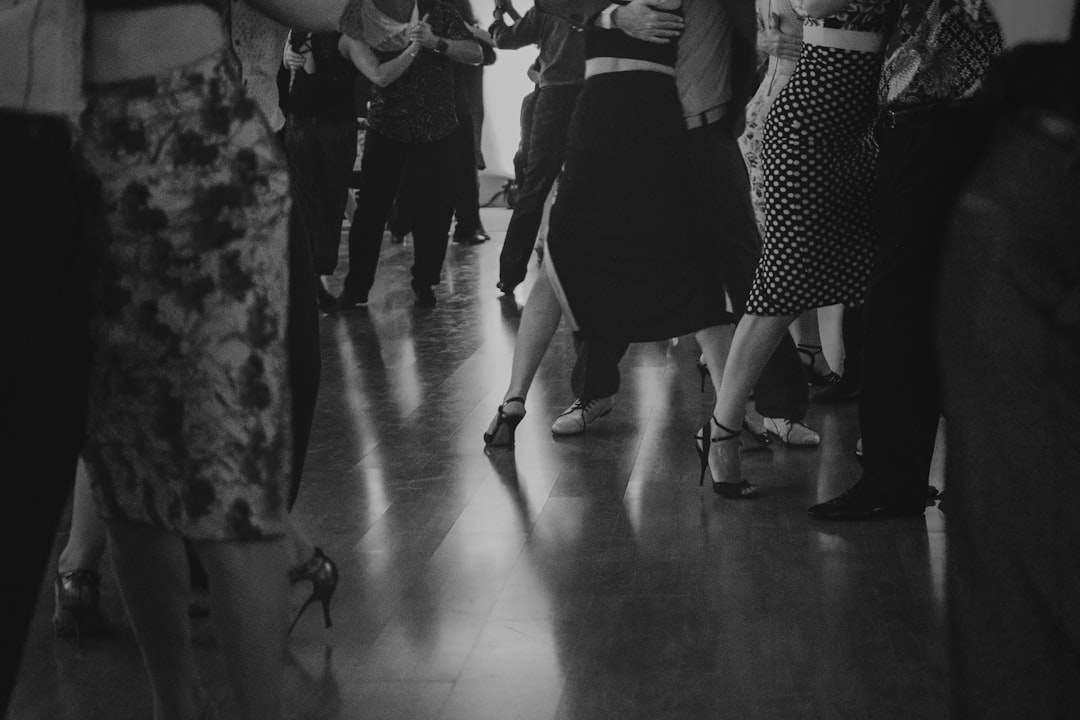
Most salsa instructors won’t stop you from wearing regular heels to class, but they’ll definitely notice. Maria, who teaches at one of the popular studios downtown, puts it this way: “I can spot a dancer in street heels from across the room. They’re usually the ones gripping the floor with their toes and looking uncertain during spins.”
The main concerns instructors have aren’t about looking “proper” – they’re about safety and progress. Regular heels create specific challenges that can hold back your learning:
– Pivoting becomes a struggle because street shoe soles grip too much
– Balance issues from shoes not designed for lateral movement
– Foot fatigue sets in faster due to poor weight distribution
– Ankle injuries become more likely during quick direction changes
That said, every instructor I know started somewhere, and most are incredibly supportive of beginners figuring things out.
The Key Differences: Street Heels vs Dance Heels
Here’s what makes dance heels actually different from your favorite going-out shoes:
Sole Material: Dance shoes have suede or leather soles that allow controlled sliding. Your regular heels probably have rubber soles that stick to the floor like glue.
Heel Placement: Dance heels are positioned directly under your heel bone for better balance. Fashion heels often place the heel slightly forward, which throws off your center of gravity.
Flexibility: Dance shoes bend with your foot. Street heels are typically stiffer and fight against natural foot movement.
Ankle Support: Proper dance shoes provide support without restricting the ankle mobility you need for salsa’s quick movements.
When Regular Heels Might Work
Look, I’m not going to pretend you need to drop $200 on dance shoes for your first class. Some regular heels can work temporarily:
Good options for beginners:
– Low block heels (2-3 inches max)
– Leather or suede soles
– Secure ankle straps
– Flexible construction
Heels to avoid at all costs:
– Stilettos or very thin heels
– Platform shoes
– Anything over 3.5 inches
– Shoes with rubber soles
– Loose-fitting heels
I’ve seen beginners do just fine in simple leather-soled block heels while they decided if salsa was for them. But once you’re hooked (and you will be), you’ll want proper dance shoes.
What Happens When You Dance in Street Heels
Let me paint you a picture of what typically happens. You show up to your first class in your cute black pumps. The first few basic steps feel okay, maybe a little sticky. Then the instructor introduces cross-body leads with a spin, and suddenly you’re fighting your shoes instead of flowing with the music.
Your rubber soles catch on the floor mid-spin. You have to lift your feet higher than necessary. Your calves start burning after 20 minutes because you’re working against your shoes. By the end of class, your feet hurt and you feel less confident than you should.
Compare that to the dancer next to you in proper Capezio FootUndeez dance shoes. She’s gliding through spins, staying on beat, and looking effortless. The difference is night and day.
Making Street Heels More Dance-Friendly
If you’re determined to use regular heels while you shop for proper dance shoes, here are some tricks that can help:
Sole Solutions: Visit a cobbler and ask them to add a suede sole or roughen up smooth leather with sandpaper. This isn’t perfect, but it helps with pivoting.
Heel Grips: Add cushioned heel grips to prevent sliding and improve comfort during long sessions.
Toe Pads: Gel toe pads can help with weight distribution and reduce pressure on the balls of your feet.
Breaking Them In: Wear your heels around the house to identify any pressure points before hitting the dance floor.
Recommended Dance Shoes for Salsa Beginners
| Shoe | Best For | Price Range | Key Features |
|---|---|---|---|
| Capezio FootUndeez | Beginners wanting versatility | $45-65 | Foot-hugging fit, suede sole, flexible |
| Bloch Dance Sneakers | Studio and social dancing | $60-85 | Split sole, supportive, durable |
| Very Fine Dance Shoes | Traditional ballroom/Latin look | $75-120 | Classic styling, multiple heel heights |
| Supadance Latin Shoes | Serious dancers | $150-250 | Professional quality, excellent support |
The Bottom Line
You can absolutely start learning salsa in regular heels, and no instructor worth their salt will make you feel bad about it. But understand that you’re making things harder for yourself. It’s like learning to drive in a car with wonky steering – possible, but not ideal.
If you’re just trying salsa for the first time, wear whatever comfortable heels you have and see how you feel. But if you find yourself coming back (which you probably will, because salsa is addictive), invest in proper dance shoes within your first month. Your feet, your confidence, and your dance partners will thank you.
The goal isn’t to look like a professional on day one. It’s to feel comfortable, safe, and free to express yourself through movement. Sometimes that means starting in street heels, and that’s perfectly fine. Just know that when you’re ready to level up, proper dance shoes will transform your experience on the floor.
Leave a Reply